Lately, there's been a real surge in interest around sustainable energy options, and
biogas is definitely stepping into the spotlight as a key alternative
to the usual fossil fuels. I read a report from the International Renewable Energy Agency (IRENA)
that says global biogas production might hit around 80 billion cubic meters
by 2030. That’s pretty huge, and it just shows how crucial it is to have reliable materials for biogas systems.
More and more companies are looking for durable solutions, which is why HDPE sheets for
biogas are becoming so popular—they’re resistant to chemicals, lightweight, and last a long time.
Companies like Jiangyin Lonovae Technology Co., Ltd. are doing some pretty cool stuff too,
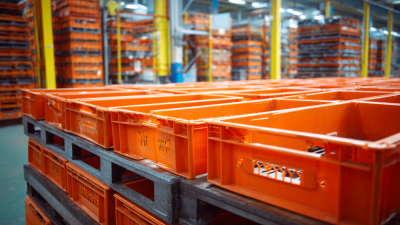
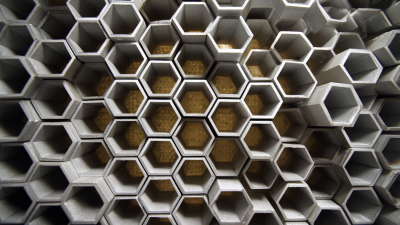
offering advanced plastic solutions like collapsible pallet pack containers and honeycomb panels, which really help
boost the durability of HDPE in biogas projects. If everyone follows the best practices for using HDPE sheets,
we can really step up efficiency and push towards a greener, more sustainable future — it feels like we’re moving in
the right direction.

Understanding HDPE Sheets and Their Role in Biogas Applications
HDPE sheets have become pretty popular in biogas projects lately, mainly because they’re super durable and can handle tough environmental conditions. High-Density Polyethylene, or HDPE, has great thermal-oxidative stability, which makes it ideal for the high temps you often see in biogas production. And it gets even better — recent improvements, like adding special antioxidants bonded into the polyethylene, help the material last longer, so it stays reliable even when things get really extreme.
You can see how in demand HDPE materials are for biogas stuff, especially with the market forecast predicting the HDPE pipe segment will hit around USD 25.68 billion by 2029. That’s a huge jump, and it really shows how more and more energy projects are turning to HDPE solutions, especially those aimed at being more sustainable and efficient. Plus, thanks to its strong mechanical properties and resistance to wear and tear, HDPE is becoming a serious alternative to the old-school friction materials. As industries keep pushing for greener, more sustainable options, HDPE sheets are playing a key role in the future of renewable energy infrastructure.
Key Properties of HDPE Sheets That Enhance Biogas Efficiency
You know, High-Density Polyethylene (HDPE) sheets are really catching on in the world of biogas, and for good reason. They’ve got some pretty awesome properties that actually boost how well things work. For starters, one of the biggest perks is their huge resistance to chemicals. That means these sheets can handle the harsh, corrosive stuff that’s pretty much everywhere in biogas production without falling apart. So, they last longer and stay reliable, which just makes the whole biogas process run smoother and more efficiently.
Plus, HDPE sheets are pretty good at resisting moisture. In biogas setups, keeping water levels in check is super important for making sure microbes are happy and, in turn, producing lots of gas. Thanks to HDPE’s low water absorption, there’s less worry about water causing problems, helping keep microbes in a nice stable environment.
Another thing is that HDPE is lightweight, so it’s a breeze to handle and install—saving time and cutting down on labor costs. When companies tap into these benefits, they can really up their game, making their systems run better and more efficiently overall.
Best Practices for Installing HDPE Sheets in Biogas Systems
When you’re installing HDPE sheets in your biogas setup, it’s super important to get the alignment and sealing just right – that’s what really impacts how well everything works. Start off by making sure the surface you're working on is totally prepped: clear away any debris and double-check that it’s perfectly flat so you don’t end up with leaks down the line. Also, be sure to use adhesives or welding techniques that are specifically made for HDPE. Using the right materials helps create a tight, reliable seal. It’s worth taking your time and double-checking the alignment before you secure the sheets – rushing this step can lead to inefficiencies or even costly fixes later on. Trust me, it’s better to be careful from the get-go.
Another thing to keep in mind is the weather during installation. High temperatures can make HDPE sheets more flexible and easier to damage if you’re not careful. Try to store all your sheets in a shaded, cool area beforehand, and avoid working in direct sunlight. Letting the sheets sit and acclimate to the outdoor temperature before you install them can really help reduce stress on the material and make the process smoother.
Oh, and don’t forget – regular maintenance after installation is key. Make it a habit to check the seams and joints periodically. Catching any issues early can save you a lot of trouble down the road, extend the lifespan of your HDPE sheets, and keep your biogas system running smoothly. That way, you’ll ensure consistent production and avoid unnecessary downtime.
7 Best Practices for Utilizing HDPE Sheets in Biogas Applications for Maximum Efficiency
| Practice |
Description |
Benefits |
Considerations |
| Proper Sizing |
Ensure HDPE sheets are accurately sized for installation. |
Reduces material wastage and enhances fit. |
Measure areas carefully before cutting. |
| Quality Material |
Use high-quality HDPE sheets that meet industry standards. |
Increases longevity and performance. |
Verify supplier certifications and product specifications. |
| Adequate Sealing |
Ensure all seams and joints are properly sealed. |
Prevents leakage and improves efficiency. |
Use appropriate sealing materials compatible with HDPE. |
| Environmental Considerations |
Assess environmental impact of materials and processes. |
Improves sustainability of biogas operations. |
Evaluate regulatory requirements for waste management. |
| Continuous Monitoring |
Implement regular inspections and maintenance checks. |
Ensures optimal performance over time. |
Establish a maintenance schedule and record findings. |
| Training Personnel |
Provide training for workers on proper handling and installation. |
Reduces risk of errors and accidents. |
Include safety protocol training. |
| Project Planning |
Thoroughly plan the installation process ahead of time. |
Optimizes resource allocation and timeline. |
Consider potential challenges and solutions during planning. |
Maintenance Tips for Longevity of HDPE Sheets in Biogas Projects
When you're using HDPE sheets in biogas setups, keeping up with regular maintenance is a big deal if you want them to last and work efficiently. It’s a good idea to check on them periodically—look out for scratches, dents, or any signs that UV rays are taking a toll. Cleaning these sheets with gentle detergents and steering clear of harsh chemicals really helps keep their surface in good shape and ensures they keep performing well over time. Oh, and don’t forget to keep an eye on how they’re installed—avoid exposing them to extreme heat or too much physical stress, because that can seriously reduce their durability.
Also, when the sheets aren’t in use, proper storage matters. Storing them in a cool, shady spot away from direct sunlight can actually prevent warping and other damage from thermal expansion. Setting up a routine maintenance schedule, doing regular inspections, and keeping track of any repairs or replacements can really make a difference too. If you stick to these tips, you’ll extend the life of your HDPE sheets and get the most out of your biogas project. Trust me, a little bit of care goes a long way!
HDPE Sheets Performance in Biogas Applications
Common Challenges with HDPE Sheets and How to Overcome Them
When it comes to using HDPE (that’s high-density polyethylene) sheets in biogas setups, there are a few hurdles you need to watch out for. One of the trickier issues is environmental stress cracking—sort of like tiny cracks that can develop over time, especially when the material’s exposed to certain substances found in biogas. To keep this problem in check, it’s really important to choose high-quality HDPE sheets that come with special additives to boost their resistance to cracking. And of course, making sure you install everything properly and stay on top of regular maintenance can really help reduce stress on the material and extend its lifespan.

Looking at the bigger picture, the global market for HDPE was valued around $15.29 billion in 2022, and it's expected to grow at about 3.8% annually. That’s pretty solid growth, driven by more industries turning to sustainable materials—including in biogas production—where having reliable, durable sheets is a must. Plus, there's a noticeable shift towards using recycled materials in packaging for everyday products, which highlights how much we’re focusing on being more environmentally friendly and safe. As industries keep moving in this direction, tackling these common challenges with HDPE will be key to keeping everything running smoothly and avoiding costly hiccups down the road.
Innovative Uses of HDPE Sheets to Optimize Biogas Production
HDPE sheets are really making waves in the biogas world —
you might say they're pretty much transforming how things work. Thanks to their super versatile uses and impressive qualities,
they've become a game-changer. When folks are building or upgrading biogas reactors, using HDPE sheets can make a big difference,
helping create a system that's both more efficient and more sustainable.
 One cool thing about these sheets is how they serve as a
sturdy lining inside digesters — kind of like a protective skin
that stops leaks and keeps the biogas safely contained. Plus, because they’re
resistant to chemicals and tough as nails, they hold up well even in tough conditions,
which means the whole system runs better and longer.
One cool thing about these sheets is how they serve as a
sturdy lining inside digesters — kind of like a protective skin
that stops leaks and keeps the biogas safely contained. Plus, because they’re
resistant to chemicals and tough as nails, they hold up well even in tough conditions,
which means the whole system runs better and longer.
And it doesn’t stop there. People are also using HDPE sheets as covers over digesters.
This clever trick helps cut down on bad smells and keeps rainwater out, which is super important because too much water can
mess up the digestion process by diluting things. Not only does that boost how much biogas you get, but it’s also good news for the environment.
You can even use these sheets to build channels or barriers inside the plant, guiding the flow of materials or helping with aeration —
both of which are key for squeezing out every bit of biogas possible. Overall, these innovative little sheets open up a lot of new possibilities
to make biogas systems work better and more efficiently.
FAQS
: HDPE sheets have impressive chemical resistance, moisture resistance, and lightweight nature. These properties allow them to withstand corrosive environments, manage water content effectively, and are easy to handle, which all contribute to improved biogas conversion processes.
The chemical resistance of HDPE sheets enables them to endure the corrosive environment present in biogas production without degrading, thus promoting longevity and reliability in digesters and storage systems.
Moisture resistance is crucial as it minimizes water damage and ensures a stable environment for microbial communities, which directly impacts gas production efficiency.
The lightweight nature of HDPE sheets makes them easy to handle and install, which can lead to reduced labor costs and shorter construction times.
HDPE sheets can be used as stable linings in digesters to prevent leaks, as covers to minimize odor emissions and rainwater accumulation, and to construct channels or barriers that enhance material flow and aeration.
By minimizing odor emissions and preventing rainwater accumulation, HDPE sheets help maintain the integrity of the digestion process, thus contributing to the overall environmental protection.
Their durability, chemical resistance, and ability to optimize conditions for anaerobic digestion lead to improved overall system performance, maximizing biogas yield.
Yes, HDPE sheets can also be utilized to construct channels or barriers, aiding in the effective flow of materials and the aeration process, which is critical for biogas production efficiency.
Conclusion
When it comes to getting the most out of biogas systems, using HDPE sheets has really become a game-changer. These sheets are known for their impressive durability and resistance to chemicals, which makes them perfect for all kinds of biogas setups. Knowing their main features—like their high tensile strength and ability to resist corrosion—is super important if you want your system to run smoothly. And, of course, making sure they’re installed the right way can make a big difference in how well they perform. Don’t forget, regular maintenance can help these materials last longer—especially in tough environments.
That said, it’s normal to face some challenges, like environmental wear and tear over time. But by sticking to best practices and exploring creative uses—like using HDPE sheets for barriers or containment—you can really boost your biogas production. At Jiangyin Lonovae Technology Co., Ltd., we’re all about providing high-quality products like HDPE sheets that support efficient and sustainable energy solutions. We’re here to help make your biogas projects better, step by step.