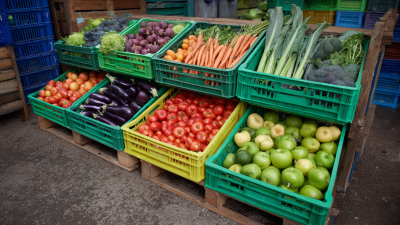
In today’s really competitive market, there's definitely a growing demand for quality packaging options. Take Plastic Fruit And Veg Crates, for example—they’re pretty essential when it comes to keeping produce fresh while it’s being stored or shipped. David Green, who’s a packaging pro over at FreshPack Solutions, stresses that having the right crate can make a big difference—like cutting down on spoilage and making the produce look more appealing on any shelf.
A lot of manufacturers from China have really stepped into the spotlight in this industry. They’re coming out with creative designs and sturdy materials, which is great. But honestly? Quality control can sometimes be a bit hit or miss. Some crates don’t quite meet the industry standards, and that might end up affecting the quality of the produce.
So, if you're buying these crates, it’s super important to find dependable suppliers. Getting to know the ins and outs of Plastic Fruit And Veg Crates can help you make smarter purchasing choices. Balancing the cost versus quality isn’t always easy, and you really need to stay sharp and stay informed so you don’t get caught off guard during your sourcing process.

China's Plastic Fruit and Vegetable Crate Industry Overview
The plastic fruit and vegetable crate industry in China has seen remarkable growth in recent years. This expansion is driven by a rising demand for fresh produce and efficient packaging solutions. Manufacturers focus on innovative designs that enhance durability and transportation efficiency. Bright colors and sturdy materials appeal to consumers.
Chinese suppliers prioritize quality control to meet global standards. They adhere to regulations, ensuring safety and reliability. However, challenges persist, particularly concerning sustainability. The industry faces pressure to reduce plastic waste and improve recycling methods. Adopting biodegradable options is a topic for future exploration.
Many manufacturers still rely heavily on traditional methods. Some lack modern technology that could boost efficiency. While a strong talent pool exists, continuous education and skill development are necessary. This focus on improvement can lead to enhanced competitiveness in the global market.
Key Features of China's Top Plastic Crates for Produce
China's plastic crates for fruits and vegetables have gained global attention for their innovative design and functionality. Key features of these plastic crates include durability, stackability, and ventilation. Reports indicate that the plastic crate market grew by 8% annually in recent years, reflecting substantial demand.
One vital aspect is the use of high-density polyethylene (HDPE), known for its strength and resistance to impact. These crates can withstand extreme temperatures, making them ideal for both hot and cold storage. Furthermore, the stackable design aids in efficient transportation, optimizing space in warehouses and during shipping.
Despite the advantages, some challenges remain. Not all crates are created with sustainability in mind, leading to environmental concerns. For instance, a study revealed that only 30% of plastic crates are recycled effectively. The industry is moving towards eco-friendly materials, yet progress is slow. Addressing these concerns could enhance the industry's reputation and long-term viability.
Market Demand for Plastic Crates in Global Agriculture
The global agriculture sector is witnessing a growing demand for efficient packaging solutions.
Plastic crates have emerged as a popular choice among farmers and buyers alike. They offer durability and cost-effectiveness in transporting fruits and vegetables. The need for hygiene and product safety drives the demand further. Countries with active agricultural markets are investing in plastic crate technology.
Tips: When selecting Fruit And Vegetable Plastic Crates, consider factors such as size and weight. Choose crates that fit your storage and transport needs.
Sustainability is becoming crucial. Recyclable materials are in demand. As the global market evolves, manufacturers are focusing on eco-friendly production processes. This shift not only meets consumer expectations but also helps in minimizing waste.
Educational resources can guide buyers. Understanding the material quality is vital for durability. Some crates may not withstand harsh conditions, leading to loss. Look for manufacturers with a proven track record in producing reliable products. Be cautious about your choices. Consider both short-term savings and long-term investment. Make informed decisions that benefit your business and the environment.
Comparative Advantages of Chinese Plastic Crates vs. Alternatives
China has established itself as a significant player in the plastic crate market, especially for transporting fruits and vegetables. The production of Fruit Plastic Crates in China has surged in recent years. This growth is largely due to advanced manufacturing techniques. These crates are lightweight yet durable, which can reduce shipping costs.
Comparatively, alternatives like wooden or metal crates can be heavier and more expensive. Wooden crates may also be less hygienic, as they can harbor pests and bacteria. In contrast, the smooth surfaces of plastic crates are easy to clean. This makes them more practical for transporting perishable goods. However, there are concerns about the longevity of plastic crates. Some buyers might question whether they can withstand repeated use.
Beyond durability, Chinese plastic crates offer superior design options. Many have features like ventilation holes for moisture control, improving the shelf life of products. Yet, sourcing these items from China may involve logistical challenges. Buyers need to ensure they partner with reliable manufacturers to avoid quality inconsistencies. While Chinese Fruit Plastic Crates present numerous advantages, understanding the right balance between cost and quality remains essential for global buyers.
China Top Plastic Fruit and Veg Crates for Global Buyers
| Feature |
Chinese Plastic Crates |
Alternatives |
| Material |
HDPE/PP |
Wood/Cardboard |
| Weight (kg) |
2.5 |
4.0 |
| Durability |
High |
Low |
| Reusability |
Yes |
Limited |
| Cost (USD) |
3.00 |
5.00 |
| Environmental Impact |
Low |
High (non-recyclable) |
Sustainability Efforts in China's Plastic Crate Manufacturing
Sustainability is increasingly becoming a priority in China's plastic crate manufacturing, especially for consumer markets. The Global Sustainable Packaging Market report indicates that sustainable materials will grow at a CAGR of 7.7% through 2027. Manufacturers of Plastic Fruit Crates are adapting to this trend by utilizing recycled materials and energy-efficient production techniques.
China's plastic crate industry is exploring innovative ways to enhance sustainability. Many producers are incorporating biodegradable options and focusing on circular economy practices. As a result, the environmental impact of production is declining. According to Statista, around 60% of plastic waste comes from packaging materials, highlighting the urgent need for change. It’s essential that manufacturers consider not just the production phase but also the crate's end-of-life to reduce landfill contributions.
Tips:
Always look for certifications proving that products are made from sustainable sources. Supporting companies committed to sustainability can amplify positive industry changes. Understanding the full lifecycle of plastic fruit crates can also inform better purchasing decisions and promote eco-friendly practices.
Leading Manufacturers of Plastic Fruit and Vegetable Crates in China
China has emerged as a dominant player in the production of Plastic Vegetable Fruit Crates. The country’s manufacturers leverage advanced technologies and materials to meet the needs of global buyers. According to recent industry reports, the demand for these crates has increased significantly due to the rise in global fruit and vegetable trade. The market for plastic crates is expected to witness a CAGR of over 5% in the coming years, driven by the growing focus on sustainable packaging solutions.
Manufacturers in China adopt rigorous quality control measures to ensure the durability and performance of their Plastic Vegetable Fruit Crates. These crates are designed to stack efficiently and reduce transportation costs. However, it’s worth noting that some producers may overlook the importance of eco-friendly materials, as the focus on profits sometimes overshadows environmental concerns. This can lead to subpar products entering the market.
Tip: When sourcing crates, check for certifications that guarantee quality and sustainability. Look for information on the materials used in production to ensure they align with environmentally friendly standards. Another key point to consider is the reputation of the manufacturer; reviews and industry feedback can offer invaluable insights into their reliability.
Top Plastic Fruit and Vegetable Crates Production in China
Export Trends and Key Markets for Chinese Plastic Crates
The global demand for plastic fruit and vegetable crates has been steadily rising. According to a recent market report, exports from China are projected to grow by over 8% annually. This growth is driven by rising food safety standards and the increasing need for efficient storage solutions. Key markets such as the United States and Europe are essential for Chinese exporters. They demand high-quality, durable crates that can withstand various temperatures and handling conditions.
In Europe, many retailers require crates that meet strict sustainability guidelines. This presents both a challenge and an opportunity for Chinese manufacturers. Adopting eco-friendly materials can improve competitiveness. Failure to adapt could result in losing market traction. According to industry experts, manufacturers who invest in research and development are often more successful in this competitive landscape.
Tips: Focus on innovative designs that enhance functionality. Exploring new materials can yield better products. Regularly checking market trends ensures sustained relevance. Use feedback from clients to make necessary adjustments. Listening to consumer needs can lead to more effective solutions.
FAQS
: They offer durability, cost-effectiveness, and hygiene for transporting produce.
Assess size, weight, and how they fit your storage and transport needs.
Sustainability is essential. Recyclable materials and eco-friendly processes are increasingly demanded.
They are lightweight, durable, and easier to clean compared to wooden or metal options.
Concerns about their longevity and ability to withstand repeated use may arise.
Ventilation holes improve moisture control and extend the shelf life of perishable goods.
Ensure you partner with reliable manufacturers to avoid quality inconsistencies.
Manufacturers explore biodegradable options and energy-efficient techniques to reduce environmental impact.
Knowing their end-of-life helps reduce waste and make more eco-friendly purchasing decisions.
Look for certifications and choose companies committed to using sustainable materials.
Conclusion
China's plastic fruit and veg crates play a crucial role in the global agricultural market, driven by their durability, cost-effectiveness, and efficiency in transporting produce. The country's industry is characterized by innovative designs and materials that cater to the diverse needs of farmers and distributors. Rising market demand for these plastic crates reflects their importance in maintaining the quality and safety of fruits and vegetables during transit.
Furthermore, Chinese manufacturers are actively investing in sustainable practices to enhance the eco-friendliness of their products. This involves using recyclable materials and minimizing waste during production. As global markets continue to expand, China's plastic fruit and veg crates are well-positioned to meet international standards, providing a competitive edge over alternative packaging solutions. The ongoing export trends indicate a growing recognition of the reliability and functionality of these crates, making them a preferred choice for buyers worldwide.