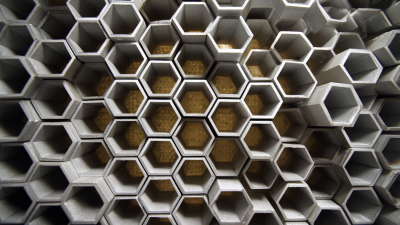
Starting a new construction or design project? One of the biggest decisions you'll face is picking the right materials. Have you heard of Honeycomb Panels? They've become pretty popular lately because they’re lightweight but still super strong. Lots of companies, like Hexagon Industries, offer a bunch of options, but honestly, choosing the perfect panel isn’t always straightforward — it takes some careful thought.
The market for honeycomb panels is pretty big, and there’s a ton of variables to consider—like the core material, thickness, and finish. For example, a thicker panel might weigh more but can give you better insulation. On the flip side, a thinner one is easier to handle and install, but it might not last as long or be as durable.
It’s really about figuring out what matters most for your project. Will the panels need to handle weather and stress? Or is the look and feel more important? The truth is, there’s rarely a one-size-fits-all answer here — every choice comes with its own trade-offs. Getting a good grip on these details will help you pick what’s best aligned with your vision and needs.

Understanding Honeycomb Panels: Types and Applications
Honeycomb panels come in various types, each suitable for specific applications. Understanding these can greatly influence design choices. Among the popular options,
Polypropylene Honeycomb Panels stand out due to their
lightweight nature and high strength-to-weight ratio. Research shows that these panels can offer up to 30% weight savings compared to solid materials. This
efficiency makes them ideal for aerospace and automotive industries. However, some projects may find them less effective in
high-temperature environments.
In construction, honeycomb panels enhance energy efficiency. They provide insulation and structural support. A report from the
Green Building Council states that using honeycomb panels can reduce energy costs by
20%. This statistic is compelling, yet the choice of material needs careful consideration. Not all honeycomb panels are created equal.
Quality varies between manufacturers, and sometimes cost-cutting leads to compromised performance.
Moreover, understanding application requirements is crucial. For instance, a structural panel used in flooring may need different specifications than one
used in wall cladding. Yet, it’s easy to overlook these differences. Reflecting on the needs of your specific project can guide you in selecting the right type
of honeycomb panel, ensuring it meets your design specifications effectively.
Key Factors to Consider When Selecting Honeycomb Panels
When selecting honeycomb panels for your project, several key factors come into play. The core material matters significantly. Common options include cardboard, aluminum, and plastic. Each material offers different properties, such as strength, weight, and cost. Understanding these aspects is crucial to making an informed decision.
The thickness of the panels also influences performance. Thicker panels can provide better insulating properties and durability. However, they may be heavier and costlier. Consider your specific needs. Are you focused on insulation, weight reduction, or budget constraints?
Additionally, surface finishes deserve attention. Smooth surfaces are ideal for aesthetic projects, while textured finishes can enhance grip and durability. These choices can impact not only how the panel looks but also its functionality. Reflecting on these details can lead to a more successful outcome.
Material Choices for Honeycomb Panels: Pros and Cons
When selecting honeycomb panels, understanding material options is crucial. Honeycomb Polycarbonate Panels are popular due to their strength and lightweight design. These panels can withstand impacts. Data from industry reports show that they offer a 250% increase in structural rigidity compared to traditional materials. This makes them ideal for applications in construction and transportation.
However, the benefits come with trade-offs. Honeycomb Polycarbonate Panels are more expensive than standard alternatives. They can cost up to 30% more, which impacts project budgets. While they provide excellent insulation, their thermal properties may not suffice for extreme climates. Some users reported issues with yellowing over time due to UV exposure. This can be a concern for long-term projects.
Another option is aluminum honeycomb panels. They are light and durable, with good resistance to corrosion. However, they may not offer the same aesthetic appeal as polycarbonate models. Weighing the pros and cons is essential. Each material has its place, depending on project needs and budget constraints. Consider these factors carefully as you make your decision.
Assessing Structural Requirements for Your Honeycomb Panel Project
When starting a project with honeycomb panels, structural requirements are crucial. Consider the weight your project needs to support. Honeycomb panels are lightweight, but they still have limits. Misjudging these limits can lead to failures.
Assess the environment as well. Will the panels face moisture, chemicals, or extreme temperatures? These factors affect the material's lifespan. For instance, a panel that works in a dry area may not hold up in a humid climate. Think about the long-term implications.
Don't overlook the installation process. Make sure the panels align with the assembly method. A mismatched installation can compromise structural integrity. Reflect on past experiences; learning from mistakes is vital in project planning. Aim for a balance between functionality and durability.
Honeycomb Panel Structural Requirements Assessment
Cost Considerations and Budgeting for Honeycomb Panels
When budgeting for honeycomb panels, consider material costs,
production fees, and shipping expenses.
Industry reports suggest that the price for honeycomb panels ranges from $20 to $50
per square meter. This variance is due to factors like material type
and thickness. A project with strict budgeting may require
careful selection of less expensive options, but ensure they meet quality standards.
Tips: Always request multiple quotes. This can help in comparing different manufacturers.
Look for bulk purchase discounts. If you plan to order large volumes, negotiating prices can
yield significant savings.
While pricing is pivotal, don’t overlook the long-term savings
honeycomb panels provide. Their lightweight nature can lead to reduced transportation costs
and installation time. However, opting for cheaper panels without
comprehensive testing may lead to durability issues or unexpected costs later.
Investing too little initially could result in higher maintenance expenses
down the line. Be wary of balancing upfront costs with long-term value.
Installation Methods and Compatibility with Other Materials
When considering installation methods for honeycomb panels, it’s essential to evaluate compatibility with other materials. Polypropylene Honeycomb Core Panels are popular due to their lightweight nature and strength. They can easily bond with various surfaces, but attention is needed during installation. A clean and even surface is crucial for a secure attachment. Any debris or irregularities can lead to poor performance. It’s often easy to overlook this step, but it can be costly later.
Different installation methods yield different results. Adhesives, mechanical fasteners, and even welding techniques are options to consider. Each method has its pros and cons based on the panel material and application. For instance, adhesive bonding may be quicker but requires patience and precision. The choice can depend on the project's scale and complexity.
Always consult with professionals if unsure. Compatibility with other materials can impact durability and function. Test small sections first to see how Polypropylene honeycomb core panels react with your chosen attachments. Each project is unique, and what works for one may not work for another. Retrospective evaluation often reveals missteps. So, careful planning and testing are key to success.
How to Choose Honeycomb Panels for Your Next Project? - Installation Methods and Compatibility with Other Materials
| Panel Type |
Material |
Thickness (mm) |
Weight (kg/m2) |
Installation Method |
Compatibility |
| Standard Honeycomb |
Aluminum |
10 |
4.5 |
Glue or Fastener |
Wood, Steel |
| Fire-Rated Honeycomb |
Steel |
12 |
6.0 |
Weld or Bolt |
Concrete, Masonry |
| Acoustic Honeycomb |
PVC |
15 |
5.5 |
Clip System |
Gypsum, Plasterboard |
| Lightweight Honeycomb |
Recycled Paper |
8 |
3.0 |
Magnetic |
Glass, Aluminum |
Maintenance and Durability of Honeycomb Panels in Projects
When considering the maintenance and durability of honeycomb panels, it's crucial to evaluate their material properties. For instance, Polypropylene Honeycomb Sandwich Panels are well-known for their lightweight and robust structure. These panels resist moisture and corrosion, which is essential for many projects. However, they still require regular inspection to ensure longevity. Checking for dents and scratches helps maintain their visual appeal.
Moreover, environmental factors can affect the performance of honeycomb panels. UV exposure can lead to discoloration over time. While the panels are designed to withstand various conditions, neglecting their upkeep could result in unforeseen issues. It's beneficial to establish a cleaning routine using mild detergents and avoid harsh chemicals.
The installation process also impacts durability. Proper alignment and secure fastening are vital. Any misalignment can compromise the structural integrity of the panels. It's worth noting that even minor oversights can lead to larger problems. Reflecting on these aspects ensures your honeycomb panels will serve their purpose effectively.
FAQS
: Many enjoy outdoor activities like hiking or cycling. Others prefer indoor hobbies like reading or crafting.
Research different hobbies online. Join local classes or groups to meet like-minded individuals.
Leisure activities help reduce stress. They enhance creativity and improve overall well-being.
It varies per person. Aim for at least a few hours a week. Balance is essential but often overlooked.
Yes, they can foster friendships. Shared interests often build strong bonds. However, finding the right group can be challenging.
It's natural to lose interest sometimes. Reflect on why it happened. Consider trying something new instead.
Conclusion
Honeycomb panels are versatile lightweight materials that offer a range of applications due to their unique structure. When choosing honeycomb panels for your project, it is crucial to understand the different types available and their specific uses. Key considerations include material choices, with each option presenting its own advantages and disadvantages, as well as the structural requirements necessary to ensure safety and functionality.
Cost is another significant factor, as budgeting will influence your selection process. Additionally, it is essential to assess installation methods and how compatible these panels are with other materials in your project. Finally, considering maintenance and durability will help ensure the long-term performance of the honeycomb panels you choose, making them a sustainable option for various applications.