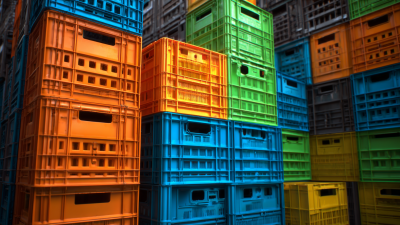
In today’s fast-changing world of global supply chains, picking the right packaging solutions is more important than ever for boosting efficiency and being more eco-friendly. One product that’s really been gaining popularity is the Plastic Pallet Box. They’re super versatile — tough, space-saving, and they help cut down on waste since they can be recycled.
At Jiangyin Lonovae Technology Co., Ltd., we’re all about high-quality stuff like collapsible pallet containers, bulk crates, and PP honeycomb panels. As companies look for smarter ways to improve their logistics, understanding what makes a good Plastic Pallet Box is key. In this blog, I’ll share ten handy tips to help steer your choices and make your supply chain flow even smoother.
Understanding the Unique Needs of Your Supply Chain Before Selecting a Plastic Pallet Box
When you're picking out a plastic pallet box for your global supply chain, it's really important to understand what your specific needs actually are. I came across a recent report from MarketsandMarkets that says the world market for plastic pallets is expected to hit around $9.5 billion by 2027. That’s pretty huge, and it just shows how much folks are looking for efficient, eco-friendly supply chain solutions right now. So, choosing the right pallet isn’t just about compliance—it’s also about making your operations smoother and more cost-effective.
A good starting point is to think about what kinds of products you’re handling. Like, if you're dealing with pharmaceuticals, you'll want pallets made from materials that are FDA-approved and meet strict health standards. On the other hand, if food products are involved, you’ll want pallets that are easy to clean, resistant to contamination, and maybe even temperature-controlled. Don’t forget about weight capacity and how well they stack—smart choices here can really boost your storage efficiency. Using lighter plastic pallets can also cut down on transportation costs — and it’s worth noting that shipping expenses can make up almost 30% of your overall supply chain costs.
And then there’s the whole geographic aspect. If your shipments are going across different continents, it’s a good idea to go with pallet boxes that can handle various climate conditions and rough handling during transit. Adding tech like RFID tags can also give you better visibility into where your products are at any given moment, so you’re not left wondering. When you pay attention to these details, your supply chain runs more smoothly, with fewer hiccups and less disruption overall.

Evaluating Different Materials: Choosing the Right Plastic for Durability and Performance
Choosing the right plastic pallet box for your global supply chain is a pretty big deal—especially when it comes to the material. You see, different plastics have their own quirks, and that can really impact how long your pallet lasts and how well it performs. For example, according to a 2022 report from the FDA, high-density polyethylene (HDPE) is still one of the toughest options out there. It can handle extreme temperatures and resist chemicals like a champ. On the other hand, if you need something lightweight but still sturdy, polypropylene is becoming a popular choice because it’s really impact-resistant.
Quick tip: Think about what your supply chain actually needs—like temperature changes or chemical exposure—before picking the perfect plastic.
And here’s a cool trend: recycled plastics are gaining ground, mainly because they’re better for the planet and can save you some bucks. A 2023 study from the Plastics Industry Association showed that using recycled materials could cut production costs by up to 25%, all while keeping performance standards high.
Another tip: Keep in mind the whole lifecycle of your pallet box. Choosing eco-friendly materials that still deliver quality is definitely worth considering if you’re into sustainability goals.
All in all, taking the time to pick the right materials can really boost your supply chain’s efficiency, save you money, and make everything run a lot smoother in the end.
10 Essential Tips to Choose the Best Plastic Pallet Box for Your Global Supply Chain
| Material Type |
Durability (Years) |
Load Capacity (lbs) |
Temperature Resistance (°F) |
Recyclability |
Best Use Case |
| High-Density Polyethylene (HDPE) |
10-20 |
1,500 |
-40 to 120 |
Yes |
Food processing, agriculture |
| Polypropylene (PP) |
5-10 |
1,000 |
-20 to 140 |
Yes |
Pharmaceuticals, retail |
| Polyvinyl Chloride (PVC) |
10-15 |
1,200 |
-10 to 130 |
Yes |
Chemical industry, construction |
| Expanded Polypropylene (EPP) |
5-10 |
600 |
-40 to 160 |
Yes |
Automotive, packaging |
Size and Capacity Considerations: Finding the Perfect Fit for Your Products
When you're choosing a plastic pallet box for your global supply chain, size and capacity are pretty much the most important things to think about. It’s crucial to look at the dimensions of the stuff you're planning to store or ship. Picking the right size means your items won’t shift around too much during transit, which helps keep everything safe and intact. Also, don’t forget to consider the weight of your products—overloading the pallet box can cause it to break, and that’s a nightmare for everyone involved, from the stuff being shipped to the folks handling it.

On top of that, take a good look at your storage and shipping areas. Getting a size that fits well not only saves space but also makes stacking and loading way easier. If you can find customizable options, that’s a big plus because you can get a box that's really tailored to what you need. Bottom line? Finding that sweet spot for your products means a smoother supply chain, fewer waste issues, and better overall efficiency—something every business could really use.
Exploring Design Features: Stackability, Nestability, and Other Practical Attributes
When you're choosing the best plastic pallet box for your global supply chain, it’s really important to get a handle on features like stackability and nestability. Think of stackable designs—they’re great for making the most of vertical space in warehouses and during transport, helping you optimize storage pretty easily. A good stackable pallet box should be sturdy enough to handle heavy loads without tipping over—stability is key, especially when dealing with weighty goods. It’s a smart move to pick boxes with reinforced corners and flat surfaces—that way, stacking becomes a breeze.
On the other hand, nestable pallet boxes are a lifesaver when it comes to saving space on returns. These are the kinds you can nest inside each other when they’re not in use, which makes transport way more efficient. Look for models with rounded edges and tapered designs—they make nesting smooth and simple. And don’t forget about durability; the materials should be tough enough to handle frequent handling and different environmental conditions.
One more thing to keep in mind is how easy the boxes are to clean and sanitize. If you’re dealing with food or pharmaceuticals, hygiene standards are a must. Go for designs with smooth surfaces and materials that can handle various cleaning agents without a fuss. Picking the right features like these isn’t just about making life easier—it also keeps your supply chain flexible, responsive, and running smoothly.
Cost vs. Benefit Analysis: Making Informed Financial Decisions for Your Supply Chain
When you're trying to pick the best plastic pallet box for your whole supply chain around the globe, it’s really important to weigh the costs against the benefits. I came across a report by Freedonia Group, which says that demand for plastic pallets is expected to grow around 3.9% each year through 2024. That kind of growth just shows how crucial it is to choose the right materials — you want to get the most out of your investment while keeping costs in check. Honestly, spending a bit more on higher-quality plastic pallet boxes can pay off in the long run — they can cut down on transit damage and reduce return costs by up to 30%. That’s a pretty sweet deal, right?
One thing to keep in mind when making these choices is how durable the plastic pallet boxes are. Sure, cheaper options might seem tempting at first, but they tend to wear out faster and need replacing more often. A study by Pallet Enterprise even states that high-quality plastic pallets can last as long as 10 years, which can really lower your overall costs over time. Also, don’t forget to check the weight capacity — make sure the boxes you pick can handle the loads you need without any fuss.
And finally, think about the bigger picture — your total logistics costs. A report from the Retail Industry Leaders Association points out that optimizing your pallet design can boost shipping efficiency by as much as 20%. So, choosing the right pallet box isn’t just about protecting your products; it’s also about making your entire supply chain smoother and more cost-effective. In the end, it’s all about making smart choices that help your business run more efficiently and profitably.
Selecting a Reputable Supplier: Ensuring Quality and Reliability in Your Purchase
So, when you're picking out a plastic pallet box for your international supply chain, one of the biggest things you should really pay attention to is whether your supplier is trustworthy. A good, reputable supplier isn’t just about getting top-quality stuff — they also need to be reliable and consistent, delivering on time, every time. It’s worth doing a bit of homework: look for companies with solid reputations in the industry, read some reviews from other customers, and check if they’ve got a history of fulfilling orders without a hiccup. Building that kind of relationship from the start really sets your logistics up for smoother sailing.
Oh, and don’t forget to double-check if they meet the necessary industry standards and hold the right certifications. It shows they’re serious about quality and safety — super important when you’re dealing with materials that impact your whole supply chain. Also, reaching out directly to potential suppliers can give you a good feel for how responsive they are. Are they quick to answer questions? Do they seem open to customizing solutions to fit your needs? That kind of responsiveness shows they’re genuinely committed to satisfying their customers and possibly building a long-term partnership.
All in all, choosing a trusted supplier isn’t just about the immediate transaction — it’s an investment in the ongoing success and integrity of your global operations. It might take a bit more effort upfront, but it’s definitely worth it in the end.
FAQS
: It's essential to assess the type of products you'll be handling, including any regulatory requirements, as well as the geographic areas you serve and the specific weight capacity and stackability needs of your operations.
The material affects the durability and performance of the pallet box. Different plastics, such as high-density polyethylene (HDPE) and polypropylene, offer varied characteristics suited for specific applications and environmental conditions.
Recycled plastics can lower production costs by up to 25% and support sustainability goals, making them an attractive option without compromising on performance standards.
If your supply chain spans multiple regions, you need pallet boxes that can withstand different climate conditions and rough handling during transit, ensuring the products remain safe and intact.
RFID tracking provides real-time visibility across your logistics network, allowing you to monitor the location and status of your products, which helps minimize disruptions and improves operational efficiency.
A reputable supplier ensures high-quality products, reliable order fulfillment, and compliance with industry standards, which are crucial for maintaining supply chain efficiency and supporting long-term partnerships.
Look for suppliers with established reputations, positive customer reviews, timely order fulfillment, and a commitment to meeting industry standards and certifications.
Industries like pharmaceuticals and food require compliance with stringent health regulations, which may necessitate FDA-approved materials or pallets that are easy to clean and resistant to contamination.
Lightweight plastic pallets can significantly reduce transportation costs, which can account for a substantial percentage of total supply chain expenses, thereby enhancing overall efficiency.
It's important to evaluate the lifecycle in terms of sustainability, ensuring that materials used align with environmental goals while also meeting performance requirements.
Conclusion
When you're on the hunt for the best plastic pallet box for your global supply chain, the first thing to do is really get a handle on what your operations actually need. It’s all about understanding the quirks of your business—what kind of materials will work best, and making sure the plastic you choose is tough enough to meet your performance standards. Don’t forget to think about size and capacity too; finding that perfect fit for your products can seriously boost efficiency and cut down on waste.
And hey, you might want to check out features like stackability or nestability—these little design tricks can really amp up your storage space and make transporting everything a lot easier. Doing a quick cost-benefit analysis is also super helpful so you’re not just throwing money around—making sure your investment in a plastic pallet box pays off in the long run. Lastly, picking a reliable supplier is key. You want to go with someone who really stands behind their quality and consistency, especially when it’s products like collapsible pallet containers or crates from companies like Jiangyin Lonovae Technology Co., Ltd.—they’re known for quality, after all.