You know, in today’s fast-changing industrial world, having solid containment solutions is more important than ever—especially when dealing with hazardous stuff. One of the coolest innovations out there is the HDPE Geomembrane Sheet. It’s become pretty well-known for being super durable and versatile. Not only does it act as a strong barrier against water and contaminants, but it can be used in all sorts of ways—like lining landfills or really in agricultural setups.
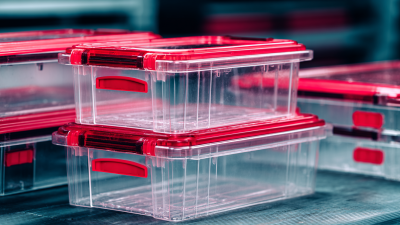
At Jiangyin Lonovae Technology Co., Ltd., we totally get how crucial it is to have innovative containment options. That’s why we offer a range of products—like plastic collapsible pallet pack containers, bulk containers, and crates that fold up when not in use. By combining the benefits of HDPE Geomembrane Sheets with what we already have, we’re really aiming to boost efficiency and help protect the environment. Our goal? To change how industries handle containment challenges, making everything more reliable and eco-friendly.
HDPE geomembranes, made from high-density polyethylene, are pretty much a must-have in today's containment solutions thanks to their strength, flexibility, and resistance to chemicals. You've probably seen these sheets used everywhere—from lining landfills to lining up hydraulic structures. Because of how they’re built, they do a great job preventing harmful contaminants from leaching out, which makes them super important for protecting the environment. Recently, there’s been some interesting research looking into substances like PFAS—those chemicals sometimes found in plastics—that can end up in these geomembranes. It really highlights why we need to keep checking and improving the materials we use.
When you're picking out HDPE geomembranes for your project, it’s a good idea to make sure they meet the specific environmental rules and standards relevant to your work. Testing for things like PFAS isn’t just a formality—it can save you from potential legal headaches and keep your site safer.
In hydropower projects, using geomembrane systems has become a pretty reliable way to cut down on environmental impact. As things like erosion or water management problems come up, these HDPE liners can help fix things up and keep leaks at bay. Plus, engineering folks are finding new ways to deal with issues like gas bubbles that can form in ponds lined with geomembranes—so thorough design and smart operational strategies are key.
Tip: Keeping a solid maintenance plan for your geomembrane setups can really make a difference—helping them last longer and do their job better over time, which is crucial for any containment project.
HDPE geomembrane sheets are pretty much the go-to choice for a lot of containment projects because of
how tough and durable they are. Made from high-density polyethylene,
these sheets can really stand up to physical stress, so they tend to last a long time—even when the environment gets rough and tough. That kind of
robustness is a big win for industries like landfills, mining,
and water management, where it's super important that the containment system doesn’t break or leak,
preventing contamination and other issues.
Another thing I should mention is how well HDPE geomembranes handle chemicals. They’re resistant to all sorts of substances—acids,
bases, even organic solvents—which means they keep their shape
and strength even when exposed to potentially damaging chemicals. That’s a huge plus in industrial settings where chemicals are just part of the deal. Plus,
these sheets are pretty flexible, which makes installation a lot easier and allows them to work well on different site conditions.
All in all, they’re a versatile, reliable option for pretty much any containment application across various industries.
HDPE geomembranes are basically synthetic liners that are super popular because they’re durable and waterproof—making them a go-to choice for all kinds of applications like landfills, wastewater treatment, and mining. In landfills, they act as a crucial barrier, stopping leachate from leaking out and contaminating the soil and groundwater nearby. Thanks to their toughness, these liners can handle harsh weather and environmental conditions, which helps extend the life of landfills and keeps public health safe.
When it comes to managing wastewater, HDPE geomembranes are used in treatment ponds and containment areas. They help control water flow and keep the structures solid, reducing the risk of leaks and making sure everything stays within environmental rules. And in mining, they’re pretty much essential for handling tailings and the extraction process itself. Basically, they prevent dangerous substances from seeping into the soil and water, helping protect the environment from the impacts of mining. Overall, their versatility and reliable performance really boost containment efforts across these industries.
You know, the global market for HDPE geomembrane sheets has really picked up pace lately. It’s mainly because more sectors—like waste management, mining, and water conservation—are showing a bigger demand than ever before. I came across a recent market report, and it’s pretty fascinating: they’re predicting the market will hit around $3.4 billion by 2027. That’s a solid growth rate too, about 10.5% annually since 2020. This boom actually makes a lot of sense when you think about how much more people are talking about sustainability these days—and the real need for reliable containment solutions to prevent soil and water pollution.
And guess what? Asia-Pacific is expected to take the lead. Countries like China and India are really pushing things forward with their rapid industrialization and urban growth. The construction of landfills and an expanding mining industry are also fueling the demand for HDPE geomembrane sheets in those areas. Plus, experts say that new uses in aquaculture and agriculture might open even more doors in the future, making these geomembranes even more important for tackling environmental issues worldwide. It’s kind of exciting to see how versatile and vital these materials are becoming, right?
| Region | Market Size (Million USD) | Growth Rate (CAGR %) | Application |
|---|---|---|---|
| North America | 450 | 5.5 | Landfill Liners |
| Europe | 320 | 4.8 | Water Containment |
| Asia-Pacific | 600 | 6.2 | Agricultural Applications |
| Latin America | 150 | 3.5 | Mining Applications |
| Middle East & Africa | 200 | 4.0 | Wastewater Management |
When it comes to containment solutions, HDPE geomembranes really stand out — mainly because of how tough and chemically resistant they are compared to the old-school materials like PVC and rubber liners. HDPE, which stands for high-density polyethylene, is basically known for being super durable. That makes it a fantastic choice in setups where you’re dealing with harsh chemicals or extreme weather conditions. Unlike PVC, which can start to break down and become brittle over time, HDPE keeps its strength, reducing the chances of leaks or contamination happening.
On top of that, installing and maintaining these geomembranes isn’t just easier — it’s often way more budget-friendly too. Since HDPE sheets can be welded together seamlessly, you get a really tight, continuous barrier that performs better and has fewer weak spots. Compared to materials like EPDM rubber, which are pretty flexible but tend to need lots of checkups and repairs because they can get punctured or torn, HDPE just keeps doing its thing. All this reliability, plus lower long-term costs for upkeep, really makes HDPE geomembranes a game-changer for everything from landfills and mining sites to water containment setups.
HDPE geomembrane sheets have really become a key player when it comes to boosting environmental sustainability and providing effective containment solutions across different industries. You see these synthetic liners everywhere — from waste management and water storage to civil projects — mainly because they’re tough, resistant to chemicals, and completely waterproof. According to a report by the International Geosynthetics Society, the worldwide demand for these geomembranes is expected to grow at about 9.1% annually up until 2025. That really shows how more and more folks are realizing the importance of using sustainable containment tech.
On the environmental front, using HDPE geomembrane sheets makes a big difference. They act as a barrier to stop soil and water from getting contaminated by hazardous stuff, helping protect the local ecosystems. Plus, because these sheets last a long time, you don’t have to replace them as often, which means less waste piling up. It’s also cool to note that a lot of HDPE is made using recycled materials, so they’re pretty eco-friendly overall. Companies like Jiangyin Lonovae Technology Co., Ltd. are doing their part too — they offer eco-friendly options like collapsible pallet pack containers made from recyclable materials, which go hand-in-hand with geomembranes in bigger containment setups.
If you're thinking about choosing HDPE geomembrane sheets, a couple of things to keep in mind are their thickness and UV resistance. Both of these factors play a big role in how long they’ll last and how well they perform under different conditions. Also, adding collapsible bulk containers into your setup can really make a difference — they cut down on transportation costs and save storage space while still keeping everything environmentally safe. Switching to these kinds of solutions not only makes your operations more efficient, but it also shows you’re really into staying sustainable and keeping up with current industry trends.
: HDPE geomembranes are sheets made of high-density polyethylene that serve as barriers for containment solutions, preventing the migration of contaminants in various applications such as landfill liners and hydraulic structures.
Key properties of HDPE geomembranes include exceptional durability, excellent chemical resistance, and flexibility, making them ideal for various industrial applications where leakage prevention is critical.
HDPE geomembranes effectively prevent the migration of contaminants, which is essential for protecting the environment, particularly in landfill and mining applications.
Testing for contaminants such as per- and polyfluoroalkyl substances (PFAS) is crucial to ensure compliance with environmental regulations and to safeguard against potential liabilities associated with contamination.
In hydropower applications, HDPE geomembranes serve as reliable solutions to mitigate environmental impacts, rehabilitating existing structures and providing barriers against leakage.
Incorporating a thorough maintenance plan, including regular inspections and repairs, can significantly extend the lifespan and efficiency of HDPE geomembrane systems in containment projects.
One challenge is the formation of gas bubbles in exposed geomembrane-lined ponds, which necessitates comprehensive design and operational strategies to manage effectively.
Industries such as landfill construction, mining, and water management commonly utilize HDPE geomembranes due to their robustness and leak prevention capabilities.
It is essential to ensure that the selected HDPE geomembranes meet specific environmental and regulatory standards for the application and to conduct testing for potential contaminants.
HDPE Geomembrane Sheets are pretty much a must-have when it comes to modern containment solutions, thanks to their unique makeup and features. Made from high-density polyethylene, these sheets are tough, resistant to chemicals, and flexible — making them perfect for stuff like landfills, wastewater treatment, and mining operations. As more industries look for reliable ways to contain and manage waste, the demand for HDPE Geomembranes is really taking off. They often outperform other materials in performance, which explains the growing market.
But it's not just about how well they work. The environmental side of things matters too, and HDPE Geomembrane Sheets help out here as well. They support safer waste practices and help cut down on ecological footprints. Companies like Jiangyin Lonovae Technology Co., Ltd. are also pushing things forward by creating new products like collapsible containers and crates that work hand-in-hand with these sheets. All in all, integrating HDPE Geomembranes into industrial processes is poised to change the game worldwide.
It's pretty exciting to see how these materials are shaping up the future of containment — they're more than just durable sheets; they're part of a bigger, greener picture.