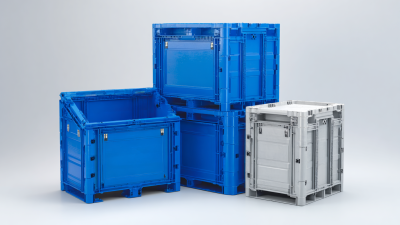
Lately, people are really noticing just how versatile Plastic Fruit and Veg Crates can be. Jiangyin Lonovae Technology Co., Ltd. has been leading the charge with some pretty innovative products, like collapsible pallet pack containers and bulk containers that make storage and transport way more efficient. But honestly, these plastic crates aren't just for the food industry anymore—they can do so much more!
 You can get creative with them—think landscaping projects, or even stylish ways to organize your home. There's a ton of unique, fun ways to repurpose these crates that can really boost both functionality and style. In this blog, I’ll share some ideas you might not have thought of before, showing just how adaptable these containers really are in everyday life. And of course, we'll highlight how Jiangyin Lonovae is committed to creating sustainable and multifunctional designs that truly make a difference.
Innovative Applications of Plastic Crates in Urban Gardening: A Data-Driven Approach
Urban gardening is really taking off these days, especially with more folks living in cities who want to grow their own fresh, sustainable food. Something I think doesn’t get enough attention is those plastic crates you see for fruits and veggies.
They're mainly used for transport or storage, but honestly, they’re so versatile and can be repurposed in a ton of creative ways to boost urban gardening. Since these crates are lightweight but pretty sturdy, they’re perfect for building vertical gardens — a real lifesaver when space is tight. This way, city gardeners can make the most of small spots and still grow healthy plants.

Plus, the plastic crates are great for drainage and airflow, which helps prevent root rot and keeps plants happy and healthy. For folks who love experiments and data,
these crates give you a kind of controlled environment to try out different crops. You can stack and arrange them in all kinds of ways, creating microclimates and tweaking conditions to see what works best for each plant. Keeping track of how your plants grow and how much they yield in these setups can give you some valuable insights into urban farming—maybe even help pioneer new methods down the road. With a bit of creativity and experimenting, those simple crates could really turn a small garden into a lively, thriving urban ecosystem.
Transforming Plastic Crates into Stylish Home Décor: Trends and Statistics
You know, plastic crates for fruits and veggies have been around forever — mainly because they’re super practical when it comes to moving stuff around and storing things. But lately, people are seeing them in a whole new light. Instead of just tossing them aside, folks are turning these everyday items into pretty cool home décor. I’ve seen everything from bright wall art to funky plant holders, and honestly, it’s pretty inspiring how versatile these crates are. The fact that they’re lightweight and come in all sorts of colors makes it so easy to customize and really get creative with how you use them — fitting them into just about any style or space.
And it’s not just about looks. This whole thing ties into the bigger picture of sustainability. Using recycled or repurposed stuff, like these plastic crates, is actually part of a bigger movement towards eco-friendly living — kind of like how recycled glass is gaining popularity. People are more and more into making mindful choices and choosing products that are kinder to the planet. So, by giving these crates a new life as home décor, we’re not only cutting down on waste but also doing our bit to promote a greener lifestyle. Things are definitely shifting when it comes to materials and design, and honestly, plastic crates are proving they’ve got more to offer than we ever thought — they’re kind of making a comeback in a pretty stylish way.
Enhancing Supply Chain Efficiency: The Role of Plastic Crates in Agriculture Logistics
You know, the way agriculture handles logistics has really evolved a lot over the years. And one of the big game-changers has been plastic crates—they’ve made supply chains way more efficient. It’s pretty wild to think that the global market for returnable transport packaging might hit a whopping $196.84 billion by 2032! That just shows how much everyone’s craving smarter, more sustainable packaging options. And those returnable plastic crates? Their market's expected to reach around $2.7 billion, which really says a lot. They’re not just saving money, but they’re also better for the environment, helping businesses hit their green goals.
**Tip:** When you’re picking out plastic crates, go for the ones made from recycled materials whenever you can. It’s a small step that can seriously cut down your carbon footprint and support that whole circular economy thing.
On top of that, the logistics systems supporting farming—like international cold storage—are more important than ever for keeping fresh produce moving smoothly. All these systems are pretty complex but super necessary if we want to meet the world’s rising demand without wasting food or resources. As farming shifts toward greener automation, jumping on board with innovative packaging solutions is pretty much essential.
**Tip:** Adding smart tracking tech to your plastic crates can really make a difference—enhancing supply chain visibility, keeping produce fresh, and making inventory management way easier.
Innovative Uses for Plastic Fruit and Veg Crates: Unique Applications You Haven't Considered - Enhancing Supply Chain Efficiency: The Role of Plastic Crates in Agriculture Logistics
| Application |
Advantages |
Impact on Supply Chain |
Eco-Friendliness |
Cost Efficiency |
| Storage Solutions |
Space-saving design, easy stackability |
Reduces space in warehouses |
Reusable and recyclable materials |
Lower storage costs |
| Transport Systems |
Durability and resistance to weather conditions |
Ensures safe delivery of goods |
Minimizes plastic waste through reuse |
Reduction in shipping damage costs |
| Retail Displays |
Attractive for showcasing produce |
Improves product visibility |
Encourages sustainable consumer options |
Cost-effective display solutions |
| Composting Bins |
Effective for organic waste management |
Enhances recycling efforts |
Promotes environmental sustainability |
Reduces waste management costs |
Plastic Crates in Community Supported Agriculture: Building Local Food Networks
Lately, community supported agriculture, or CSA as people often call it, has really been gaining ground as a sustainable way to connect local farmers with people who want fresh, healthy food. Those plastic crates for fruits and veggies?
They’re pretty much at the heart of all this.
Not just because they’re great for hauling produce around — lightweight but sturdy enough to keep everything fresh — but also because they kind of become a symbol of community involvement. It’s like, these crates aren’t just containers; they’re part of the story of connecting people with their food.
And the cool thing is, these crates can be put to creative uses beyond just transportation. Imagine turning them into mobile farmer's market stations or even setting them up in community gardens. It’s a fun, simple way to get folks interested in where their food comes from. Some programs even use these crates for educational projects, showing from farm to table how their food gets to them —
really helping folks get what’s involved in growing and harvesting. When you think outside the box, these containers aren’t just cargo—they become
tools to build community, spread awareness, and support sustainable farming in a more personal way.
Recycling and Upcycling Plastic Crates: Environmental Impact and Benefits
You know those plastic crates people often use to carry fruits and veggies? People usually just see them as simple containers, but really, they’ve got some serious potential for recycling and upcycling. With all the buzz around sustainability these days, it’s pretty exciting to think about turning these crates into something new—something useful and even stylish for everyday life. When we repurpose them, we're not just cutting down on waste; we're also helping the whole circular economy movement—making sure resources get used smartly and creatively.
One of my favorite ideas is turning these plastic crates into versatile storage solutions at home or in the office. With a little DIY magic and some creative thinking, you can stack them up to build your own shelves or paint them bright and colorful for organizing toys, books, or office stuff. It’s a fun way to save space and, honestly, it adds a bit of quirky charm to your place. Plus, you can imagine transforming them into outdoor pieces—like planters or tables—giving them a second life outdoors and jazzing up your garden or patio.
And here’s the best part—recycling these crates seriously cuts down the environmental impact of producing new plastic. Every time we reuse these, we're reducing the demand for virgin plastic and lowering greenhouse gases. Plus, communities can get involved with programs that focus on collecting and upcycling crates. It’s a great way to raise awareness about sustainability while also opening doors for folks to start small eco-friendly businesses—think handmade crates turned cool storage or garden furniture. All in all, it’s about turning trash into treasure and making a difference—one crate at a time.
Innovative Storage Solutions: Maximizing Space with Plastic Fruit and Veg Crates
You’d be surprised how often plastic fruit and veggie crates get overlooked as more than just storage for farms or markets. Honestly, these lightweight yet sturdy containers can be so much more—think creatively! They’re perfect for turning cluttered spaces into neat, organized zones. For instance, stacking them in your garage or shed can create a super handy system for keeping tools, gardening bits, or other stuff easy to find. Plus, their open design means good airflow, so moisture doesn’t get trapped—perfect for outdoor gear or plants.

And get this—these crates aren’t just for storage outside. In the kitchen, they can look pretty cool used as stylish little bins for produce, snacks, or craft supplies. Imagine a row of colorful crates sitting on a shelf, adding a pop of color while clearing your countertops at the same time. Label one or two, and meal prep becomes a breeze because everything’s right there, easy to spot. Even in kids’ play areas, they make fantastic storage for toys, books, or art supplies—plus, it helps teach them organization skills. Honestly, the possibilities are practically endless when it comes to using these crates for saving space and adding a touch of fun to your home.
FAQS
: They are commonly used for transport and storage, but recent trends are highlighting their potential in home décor.
They can be transformed into vibrant wall art, unique plant holders, and other stylish and functional pieces.
The trend is growing due to an increasing consumer focus on sustainability and the desire to reuse and recycle materials.
They are lightweight, durable, and can be creatively stacked to maximize space and keep items organized.
They can be used as stylish storage for produce, pantry items, and can be labeled to streamline meal prep and organization.
They provide an organized way to store toys, books, and art supplies, while also teaching kids about organization.
Their open design allows for airflow, preventing moisture buildup and keeping contents dry, making them suitable for outdoor and gardening gear.
Yes, their available colors and lightweight nature allow for endless customization to fit various design styles.
By repurposing them into home décor, individuals reduce waste and contribute to a more sustainable lifestyle.
Yes, they are often affordable solutions that can help declutter and enhance the functionality of any space.
Conclusion
Hey everyone! In today’s blog, I want to share some pretty cool ideas about plastic fruit and veggie crates—trust me, they’re way more versatile than you might think. While most of us see them just holding produce, they actually crack some pretty creative uses. For example, folks are turning these crates into handy urban gardening planters, and believe it or not, they’re also becoming stylish touches in home decor that can really liven up a space. It's kind of amazing how much potential these crates have, but honestly, a lot of us don’t realize it.
We also looked into how data is showing these crates can actually help make supply chains in agriculture more efficient, which means better support for local food systems and building stronger community-supported agriculture programs. Plus, we’re passionate about recycling and upcycling—giving these crates a second life helps the environment quite a bit.
On top of that, Jiangyin Lonovae Technology Co., Ltd. is pushing the envelope with their high-quality, collapsible plastic crates and containers. They’re all about smart storage solutions that save space and boost efficiency. When we start thinking about plastic fruit and veg crates differently, it’s pretty clear—they’re making a real impact, not just on storage, but in sustainability and community growth as well.