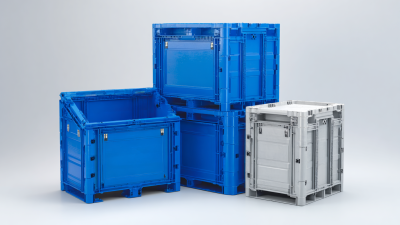
Lately, the plastic milk carton industry has been facing a fair share of challenges. Manufacturers are really trying to keep up with the rising demand from consumers, all while trying to stay true to sustainability goals. I mean, according to a recent report from Markets and Markets, the global market for these cartons is projected to hit around USD 12 billion by 2025. That growth’s mainly fueled by people buying more and wanting packaging that's convenient and easy. But, it's not all smooth sailing—companies like Jiangyin Lonovae Technology Co., Ltd., who are known for their cool innovations like collapsible bulk containers and plastic pallets, are dealing with a bunch of hurdles.

These include stricter rules on recycling, stiff competition from greener alternatives, and costs for raw materials climbing higher. As more voices underscore the importance of eco-friendly practices, it’s become pretty clear that understanding these challenges is key if these companies want to stay competitive in such a fast-changing market.
Challenges in Sourcing Raw Materials for Plastic Milk Cartons
Working in the plastic milk carton industry, one of the biggest headaches for manufacturers is definitely sourcing raw materials. You know how prices can bounce around and availability isn’t always steady? That kind of uncertainty can throw a wrench in planning production schedules and managing costs. Plus, there's the added pressure to get only the best, food-safe plastics—nobody wants to compromise on quality. And with global supply chain hiccups and tighter environmental rules popping up all the time, it can get pretty complicated to keep things running smoothly. Companies really need to stay flexible and find new ways to adapt.
At Jiangyin Lonovae Technology Co., Ltd., we’re right there with you, feeling these pinch points. We’re passionate about making top-notch products like plastic collapsible pallet containers and bulk containers, and that all starts with choosing the right raw materials. Securing high-quality polypropylene and other plastics isn’t just about product durability; it’s about meeting strict food safety standards, too. We build solid relationships with our suppliers and keep an eye on market trends so we can stay ahead of the game—making sure we have the materials needed to deliver sturdy, eco-friendly packaging solutions that really get the job done.

Impact of Regulatory Compliance on Production Efficiency
You know, when it comes to making plastic milk cartons, following all the rules and regulations really impacts how smoothly things run.
I came across a report from the Plastics Industry Association — apparently, compliance costs can make up about 20% of a manufacturer's operational expenses.
A big part of that extra cost comes from needing fancy filtration systems and stricter quality controls to meet tough environmental standards set by groups like the FDA and EPA.
It’s a lot to keep up with!
And it gets trickier because regulations aren’t the same everywhere.
If a manufacturer sells in several states, they’ve got to tweak their processes to match each region’s rules — which, honestly, can make things clunky and less efficient.
In fact, about 30% of manufacturers surveyed said that dealing with all this compliance stuff actually slows down their production cycles, making it harder to meet customer demand quickly.
As the industry keeps changing, finding smarter ways — like using new tech or better practices — to simplify compliance is going to be key for staying competitive and getting things done more smoothly.
Technological Innovations and Their Adoption in Manufacturing
You know, the plastic milk carton industry’s been hitting some pretty tough spots lately, especially when it comes to new tech and actually using it in how they make stuff. As folks get more and more into eco-friendly packaging, manufacturers are kinda forced to look into all these fancy new technologies that can boost how quickly they churn out cartons, while also being gentler on the environment. Stuff like automated production lines or innovative recycling methods are becoming super important. They not only help cut down on labor costs but also make better use of raw materials and, honestly, improve the overall quality of the cartons.
And here’s the cool part — using smart manufacturing tricks like IoT (the Internet of Things) and data analytics could totally change the game. When plants tap into real-time info, they can run smoother, catch maintenance issues before they turn into big problems, and manage their supply chains a lot better. But, and this is a big but—switching over to these high-tech systems isn’t exactly a walk in the park. It requires skilled workers, and let’s not forget, a pretty hefty investment to get everything up and running. Still, if manufacturers can navigate these hurdles, they’ll be in a pretty good spot to keep up with what the market wants as things keep changing.
Sustainability Concerns and the Shift Towards Eco-Friendly Solutions
The plastic milk carton industry is really feeling the heat when it comes to sustainability these days. As folks become more eco-conscious—and regulators tighten the rules—everyone's starting to rethink their approach. Did you know that, according to the Plastics Industry Association, we’re pumping out around 300 million tons of plastic every year? And a big chunk of that, sadly, ends up polluting our oceans and landfills. No wonder both companies and consumers are now on the lookout for greener, more eco-friendly packaging options. You see, a lot of brands are pouring resources into figuring out biodegradable and compostable milk cartons, all in an effort to shrink their carbon footprint.
On top of that, new, stricter regulations about plastic use are really shaking things up. A study in the Journal of Cleaner Production even said that by 2025, more than 70% of people would rather buy from brands that show they care about the environment. Companies are responding by experimenting with new materials—like plant-based plastics or recycled content—which is pretty exciting. These changes aren’t just about ticking boxes anymore; they’re shaping a whole new way of thinking about our industry’s impact on the planet. Honestly, it feels like we’re finally moving toward a circular economy, where resources are reused and wasted stuff is minimized. It’s definitely a big shift, but one that feels pretty necessary at this point.
Challenges Faced by Manufacturers in the Plastic Milk Cartons Industry - Sustainability Concerns and the Shift Towards Eco-Friendly Solutions
| Challenge |
Impact on Production |
Current Solutions |
Future Trends |
| Regulatory Pressure |
Increased compliance costs |
Investment in compliance programs |
Innovative packaging solutions |
| Sourcing Sustainable Materials |
Supply chain disruptions |
Partnerships with new suppliers |
Adoption of biodegradable plastics |
| Consumer Demand for Eco-Friendly Products |
Potential loss of market share |
Product redesign and marketing |
Shift towards circular economy models |
| Technological Limitations |
Increased production time |
Upgrading existing equipment |
Investment in R&D for new technologies |
| High Recycling Rates |
Negative environmental impact |
Participation in recycling programs |
Implementation of closed-loop systems |
Market Competition and Price Pressures on Manufacturers
You know, in the world of plastic milk cartons, manufacturers are really feeling the heat these days. The competition is fierce, and prices are under constant pressure. With global milk consumption expected to hit around 900 billion liters by 2025, the demand for eco-friendly packaging like plastic cartons is only going up. But here’s the thing—it's a tough game. Companies are struggling to lower their prices without sacrificing quality, especially since raw material costs have been climbing lately. That’s squeezing profit margins for many manufacturers.
A little tip? To stay ahead, it might be worth investing in more efficient manufacturing tech and getting creative with recycling methods to cut down on material costs. Also, with players from all over the globe jumping into the market offering alternative packaging options, the competition is really heating up. This isn’t just about pricing anymore—it’s also about how brands position themselves. By 2023, we saw the average price for plastic milk cartons drop pretty noticeably, thanks mainly to the aggressive pricing strategies used by newer competitors.
So, what can companies do? Well, standing out is key. Think about differentiating your products—maybe with cool, unique designs or eco-friendly features that speak to the environmentally conscious crowd. That way, you can keep your loyal customers even when the market gets super competitive.
Challenges Faced by Manufacturers in the Plastic Milk Cartons Industry
Quality Control Issues in the Production Process of Milk Cartons
When it comes to making plastic milk cartons, quality control is super important, but honestly, it can be pretty tricky for manufacturers. One of the biggest challenges is keeping the material consistent. If the raw materials vary even a little, it can cause weak spots in the cartons—stuff that might leak or even break more easily. To handle this, companies need to set up thorough testing procedures to make sure every batch of material hits the right standards. That often means investing in fancy testing gear and training staff so they can spot problems early on, before they become big issues.

Then there's the whole mess with the machinery used to produce these cartons. Sometimes, equipment can malfunction or get misaligned, which results in defects—like uneven seals or oddly shaped cartons. Regular maintenance and calibration are key to keeping everything running smoothly. Plus, taking a proactive approach—like using smart monitoring systems that catch problems in real-time—really helps. By tackling these quality control challenges head-on, manufacturers can make more reliable products, which keeps customers happy and helps them stay competitive in the market.
FAQS
: Manufacturers face challenges such as fluctuations in the availability and prices of plastic resins, the need for high-quality, food-safe materials, global supply chain disruptions, and environmental regulations.
Regulatory compliance can account for up to 20% of operational costs, requiring advanced filtration systems and increased quality control, which can lead to longer production cycles and inefficiencies.
Regional compliance requirements vary, making it challenging for companies operating in multiple states to adapt their production processes, resulting in complexities and potential inefficiencies.
Manufacturers are investing in research to develop biodegradable and compostable milk cartons and are exploring eco-friendly materials like plant-based plastics and recycled content.
Over 70% of consumers are expected to prefer brands that show environmental responsibility, according to a study published in the Journal of Cleaner Production.
The Plastics Industry Association reports on issues such as the volume of plastic production, environmental impacts, and trends towards eco-friendly packaging, influencing manufacturer strategies.
Sourcing high-quality materials is essential for maintaining product integrity and meeting the rigorous standards required by the food packaging industry.
Manufacturers are leveraging technology and innovative practices to streamline compliance processes, which is crucial for enhancing productivity and maintaining a competitive advantage.
Increased environmental awareness among consumers and regulatory bodies, coupled with the growing demand for sustainable packaging, is driving the shift towards eco-friendly solutions.
Strong supplier relationships help manufacturers secure necessary materials, adapt to market trends, and improve production reliability in the face of sourcing challenges.
Conclusion
The plastic milk carton industry is facing quite a few hurdles these days, and manufacturers really gotta hustle to stay competitive. Finding raw materials has become trickier than ever—prices keep changing, and supplies aren’t always reliable, which throws a wrench in production. Regulations? Yeah, they don’t make things easier either—they often mean extra costs and delays that slow things down. Because of all this, a lot of companies are turning to new tech solutions to boost efficiency and go greener. But honestly, adopting these innovations isn’t a walk in the park; it can be really expensive and slow, especially when market competition is fierce and prices are climbing. On top of that, folks are more and more concerned about sustainability. This has pushed manufacturers to rethink how they produce stuff, aiming for more eco-friendly methods. Of course, quality control remains a big deal—any slip-up can mess with the safety and consistency of the cartons. At Jiangyin Lonovae Technology Co., Ltd., we get all these challenges firsthand. That’s why we’re always pushing for new ideas and better products, making sure we meet market needs while keeping quality and eco-friendliness top priority.