Hey, in the crazy competitive world of fresh produce supply chains, staying efficient is more important than ever. One cool thing that's really starting to pick up steam is using these Vegetable Plastic Crates. I read somewhere—MarketsandMarkets, I think—that the global market for plastic crates is projected to hit around 15.2 billion dollars by 2025. That’s mainly because folks are really into sustainable, lightweight packaging options now. Companies like Jiangyin Lonovae Technology Co., Ltd. are doing some interesting stuff—they're all about providing top-notch plastic collapsible pallet containers, bulk containers, and crates that are perfect for agriculture. Their designs are pretty clever; these vegetable crates don’t just make storage and transport easier—they also help cut down on waste and boost the whole supply chain's efficiency. With producers and distributors under more pressure than ever to improve how they operate, jumping on board with solutions like these veggie crates might just give them that extra edge they need to stay ahead of the game.
Benefits of Using Vegetable Plastic Crates in Fresh Produce Supply Chains
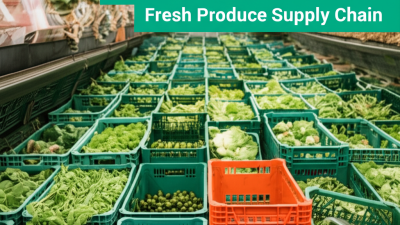
When it comes to handling fresh produce, using plastic crates for vegetables really brings a bunch of advantages that boost both efficiency and sustainability. These crates are built to last, offering solid protection for those fragile fruits and veggies during transport—less damage, fewer losses.
Plus, their stackable design makes storage so much easier, helping you make the most out of your warehouse space and transportation. That, in turn, cuts down costs and makes your logistics smoother all around.
If you're looking to get the most out of these vegetable crates, here’s a handy tip: standardize the crate size across your operations. Honestly, it makes handling simpler, reduces confusion, and makes sure everything fits nicely with your storage and transport setups.
Also, don’t forget to regularly inspect and maintain your crates. A quick check now and then means they last longer and stay safe for your produce—plus, it helps prevent spoilage down the line.
All in all, investing in good-quality plastic crates and keeping these tips in mind can really boost your supply chain for fresh produce. Their durability, space-saving design, and proper upkeep not only make things more efficient but also support a more sustainable and budget-friendly way to manage everything from farm to market.
Impact on Fresh Produce Shelf Life and Quality Retention
When it comes to getting fresh produce from farm to table, the packaging really makes a difference. Vegetable plastic crates, with their sturdy build and good ventilation, create the perfect environment for keeping fruits and veggies fresh. They’re a big step up from old-school cardboard boxes—these crates hold up better during transit, helping to prevent squishing and bruising, which can spoil the produce. Plus, their design allows air to flow through, cutting down on moisture buildup and minimizing mold or rot. So, by the time your fruits and veggies arrive, they’re still in top shape.
And here’s the kicker: these plastic crates are actually pretty eco-friendly. Since they’re made from recyclable stuff, they help cut down on waste and lessen the environmental impact. This means not just better produce, but also a more sustainable supply chain from the farm all the way to your plate. Investing in high-quality crates can really boost efficiency and help extend how long the produce stays fresh. In today’s competitive market, keeping quality intact is more important than ever, so choosing these vegetable plastic crates is a smart move for businesses that want to deliver fresh, high-quality produce every time.
7 Tips to Maximize Efficiency with Vegetable Plastic Crates in Fresh Produce Supply Chain - Impact on Fresh Produce Shelf Life and Quality Retention
| Tip |
Description |
Impact on Shelf Life |
Impact on Quality Retention |
| 1. Choose the Right Size |
Select crates that match the type and amount of produce to optimize space. |
Reduces bruising and damage, extending shelf life. |
Maintains structural integrity, preserving product quality. |
| 2. Ensure Proper Ventilation |
Use ventilated crates to enhance airflow around the produce. |
Prevents overheating and extends freshness. |
Reduces moisture accumulation, preventing spoilage. |
| 3. Regularly Maintain Crates |
Keep crates clean and repair any damage immediately. |
Avoids contamination that could shorten shelf life. |
Prevents potential quality issues stemming from damaged crates. |
| 4. Optimize Loading and Stacking |
Stack crates efficiently to balance weight and protect contents. |
Minimizes physical stress on produce, enhancing longevity. |
Maintains product appearance and reduces damage risk. |
| 5. Use Temperature-Controlled Storage |
Store crates in environments with regulated temperatures. |
Helps in extending shelf life by slowing ripening. |
Preserves flavor and nutritional value over time. |
| 6. Monitor Humidity Levels |
Keep track of humidity to prevent excess moisture. |
Reduces the risk of mold and decay, increasing shelf life. |
Maintains the freshness and crispness of produce. |
| 7. Implement Best Practices for Handling |
Train staff on proper crate handling to minimize damage. |
Significantly reduces losses from mishandling. |
Preserves the quality and marketability of produce. |
Cost-Effectiveness: Analyzing the ROI of Vegetable Plastic Crates
You know, in the world of fresh produce, vegetable plastic crates aren’t just handy—they’re actually a smart investment too. When you think about the costs involved, it’s helpful to look at the Return on Investment (ROI), right? There’s this report from MarketsandMarkets that says the global market for plastic crates is set to grow at about 6.1% annually from 2021 to 2026. That’s pretty telling—people are really leaning toward reusable packaging solutions because they can cut down costs and make operations run more smoothly.
So, if you're trying to get the most bang for your buck with these crates, there are a few best practices to keep in mind. For starters, standardizing crate sizes can make a big difference—makes everything compatible across different parts of the supply chain. Plus, it speeds up handling and boosts how often you can get products out the door. Another thing is investing in high-quality, sturdy crates. It might cost a bit more upfront, but the durability means you won’t be replacing them constantly. The National Association of Food Manufacturers even found that companies could save up to 30% over the long haul just by switching to durable, reusable crates instead of disposable ones.
And don’t forget: training your staff on how to properly use and care for these crates is super important. Good handling can really extend their life and cut down on waste. Overall, making smart choices about vegetable plastic crates isn’t just about saving a few bucks—it’s a legit way to boost efficiency and keep your costs in check. Definitely worth paying attention to, in my opinion.
Sustainability Considerations: Reducing Environmental Footprint with Reusable Crates
So, in today's world of fresh produce, sustainability really isn’t just a buzzword — it’s become a must-have. One of the easiest ways to be more eco-friendly is by switching to reusable veggie plastic crates. Unlike those throwaway this-and-done packaging, these crates are built to last, so they can be used over and over again. That means less waste cluttering up landfills, and it also helps cut down on the resources needed to make new packaging all the time. Plus, when you think about it, switching to reusable systems can actually save money in the long run. Win-win, right?
Now, if you’re really serious about making the most out of these crates, here’s a pro tip: make sure you have a solid cleaning and maintenance routine. Regularly giving them a good clean keeps them in tip-top shape, which means they’ll last longer and you won’t have to replace them as often. Also, setting up a simple process for returning empty crates can keep things running smoothly and avoid hold-ups in your supply chain.
Oh, and don’t forget about stacking and transporting those crates efficiently. When you stack them properly, you save space — which means less fuel used during delivery and lower carbon emissions overall. And if you train your team on the best ways to handle and store these crates, you'll make everything even more efficient while staying eco-conscious. It might take a little effort upfront, but trust me, it pays off in the long run.
Optimizing Logistics: How Proper Crate Utilization Streamlines Distribution
In today’s fast-changing world of fresh produce supply, having good logistics is absolutely key. Using vegetable plastic crates smartly can really help streamline how things move around. One top tip is to stick with standardized crate sizes throughout the whole supply chain. It might seem like a small thing, but it makes stacking and storage a lot easier, and it also helps make better use of transport space—saving money on shipping, which is always a win.
Another thing that’s super important is keeping track of your inventory in real-time. Putting a digital system in place to monitor crate use and produce flow gives you a clear picture of what’s going on. This kind of visibility helps you predict demand, cut down on waste, and make sure the freshest products get to retailers quickly. Plus, training your staff on the right way to handle these crates can really boost efficiency—when everyone loads and unloads properly, it helps keep the products in top shape during transit.
By focusing on these strategies, businesses can really take advantage of vegetable plastic crates. Not only does it make logistics more efficient, but it also helps cut costs and prepares you better for the growth we’re seeing in the global food logistics market.
Best Practices: Maintaining Hygiene and Compliance in Crate Management
When you're dealing with vegetable plastic crates in the fresh produce supply chain, keeping them clean and compliant really can't be overlooked. Regularly washing and sanitizing these crates should be top of mind—it's the best way to avoid contamination issues. Make sure to use food-safe cleaning products, and don’t forget to scrub every surface thoroughly. It also helps to set up a routine check—like, inspect the crates now and then for any signs of wear or damage because those little cracks or chips can hide bacteria. Doing this not only makes your crates last longer but also helps keep the produce fresh and safe during transport and storage.
Another important tip? Proper training for your staff! Teaching them why hygiene and following rules matter can make a huge difference. Encourage everyone to wash their hands before handling crates, and if possible, make gloves a standard when dealing with produce. Also, create clear routines around where and how crates are stored—always in clean, dry spots. When you focus on training, it builds a culture of responsibility, which not only boosts efficiency but also makes sure you’re following all the industry standards without stress.
Fresh Produce Supply Chain Efficiency with Vegetable Plastic Crates
FAQS
: Vegetable plastic crates enhance efficiency and sustainability by providing durability, protecting delicate fruits and vegetables during transportation, optimizing storage space, and reducing costs within the supply chain.
Businesses can maximize efficiency by standardizing crate sizes across operations, which simplifies handling and ensures compatibility, and by regularly inspecting and maintaining the crates to extend their lifespan.
Utilizing vegetable plastic crates can significantly reduce operational costs, with companies potentially saving up to 30% in long-term costs compared to single-use packaging solutions.
The global market for plastic crates is expected to grow at a compound annual growth rate (CAGR) of 6.1% from 2021 to 2026, highlighting the increasing demand for reusable packaging solutions.
Maintaining hygiene is crucial to prevent contamination of produce. Regular cleaning and sanitization of crates, using food-safe cleaning agents, helps uphold the quality of the fruits and vegetables during transportation and storage.
Staff should be trained on the importance of hygiene and compliance, including proper crate handling techniques, washing hands before touching crates, using gloves when handling produce, and following established protocols for crate storage and transportation.
Regular cleaning and sanitization with food-safe agents, along with a routine inspection schedule to identify any wear or damage, are recommended to maintain hygiene and extend the longevity of the crates.
Standardizing crate sizes streamlines logistics by ensuring compatibility across various stages of the supply chain and reducing handling time, which improves turnover rates.
Proper training for staff on optimal usage and maintenance of plastic crates can significantly enhance their longevity and reduce wastage.
Inadequate hygiene management can lead to contamination of produce, spoilage, and potential health risks, which ultimately affect the quality and safety of products in the supply chain.
Conclusion
When it comes to the fresh produce supply chain, Vegetable Plastic Crates really pack a punch in terms of benefits. They do a great job at extending shelf life and keeping produce fresh and top-notch. Plus, they’re super cost-effective in the long run—if you crunch the numbers, the ROI looks pretty good. Using these reusable crates not only saves money but also helps cut down on environmental impact, which is pretty awesome if you're into sustainability.
On top of that, using the right handling and management of these crates can seriously streamline your logistics. It makes distribution smoother and ensures that things arrive at stores or customers in the best possible shape. Just a quick heads-up—keeping hygiene standards and following the right procedures is key to protecting the quality of the produce.
Here at Jiangyin Lonovae Technology Co., Ltd., we focus on making high-quality collapsible crates and containers. Our products are designed to adapt to the changing needs of the fresh produce market and help your operations run more efficiently.