0%

So, a Skids Plastic Pallet is basically a handy platform used for moving, storing, and protecting goods. Unlike your typical pallet, a skid usually doesn’t have a bottom deck. It just sits directly on warehouse floors, shelves, or handling equipment. This simpler setup can actually make it lighter and easier to clean, which is pretty great.

Michael R. Levin, a packaging engineer at ORBIS Corporation, always emphasizes that "good pallet design starts with understanding the load, not just the plastic itself." Basically, the right skid needs to support weight, handle impacts, and work seamlessly with the entire handling system. That’s an important point — for example, a skid for boxed food might need smooth, washable surfaces, while one for auto parts might require sturdier edges and higher stiffness.

On a day-to-day basis, workers will place boxes, drums, or containers onto these skids. Then, forklifts or pallet jacks will move these units around through production areas, warehouses, or distribution centers. Some skids even come with features like anti-slip surfaces, drainage holes, or nesting options. Those nesting designs are super space-saving when the skids are empty — meaning less clutter and lower storage costs.

But, choosing the right skid isn’t always straightforward. A lightweight model might work well with stable cartons but could struggle with uneven loads — easy to overlook these little details. Things like measurements, the way loads are applied, compatibility with racks, and exposure to heat all need to be carefully considered.

This guide aims to break down what a Skids Plastic Pallet is, how it’s different from traditional pallets, and where it actually works best. It also covers important stuff like cleaning, durability, safety during handling, and real-world limitations. At first glance, performance seems simple, but trust me, the details are what really matter.

What Is a Plastic Pallet Skid and How Is It Used?

Plastic Pallet Skids Defined: Structure, Materials, and Core Functions

What Is a Plastic Pallet Skid and How Is It Used?

Plastic Pallet Skids Defined: Structure, Materials, and Core Functions

A Plastic Pallet Skid is a reusable platform for moving, storing, and protecting goods. Unlike a full pallet, a skid may use a simpler base with fewer support points. Its structure commonly includes a molded top deck, support feet, and runners. Some models are nestable, while others are stackable with defined clearance. These details affect storage density and handling stability. Not every skid fits every warehouse.

Manufacturers typically mold skids from high-density polyethylene or polypropylene. High-density polyethylene offers strong impact resistance and performs well in damp areas. Polypropylene can provide useful stiffness and dimensional stability. The deck spreads weight across the load, while runners transfer force toward the floor or rack supports. Open surfaces help drainage and cleaning. Closed decks can protect products from dust and uneven contact. Operators should verify static, dynamic, and racking capacities before loading. Capacity changes with temperature, load shape, and support spacing.

Core functions include unitizing cartons, enabling forklift movement, and separating goods from floors. A well-designed skid reduces manual lifting and keeps loads aligned during transport. Inspect feet, runners, and deck ribs for cracks, deformation, or trapped residue. No design is perfect. A small crack can grow under repeated impacts, especially with uneven loads. Cleaning alone does not restore weakened plastic. Replacement decisions should follow documented inspections and test data. I would not rely on a capacity label alone. Real loads are rarely perfectly centered. Fit matters.

Standard Footprints: ISO 6780 and the 48 × 40 in GMA Dimension

What Is a Plastic Pallet Skid and How Is It Used?

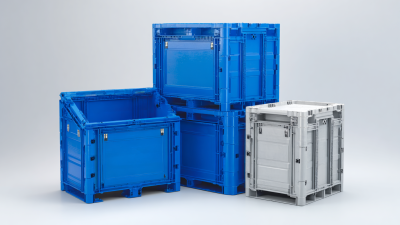
A plastic pallet skid is a low-profile load platform made for moving, storing, and protecting goods. Unlike a full pallet, it may have limited bottom support or no bottom deck. That design reduces weight and allows easier handling in some warehouses. A Plastic Pallet Box can sit directly on the skid when the load needs a stable, washable base.

Footprint selection matters more than many buyers expect. ISO 6780 identifies widely used pallet dimensions, including 1200 × 1000 mm, 1200 × 800 mm, and 1140 × 1140 mm. It also includes 1219 × 1016 mm, which matches the 48 × 40 inch GMA dimension. This size fits common North American storage lanes, truck floors, and rack layouts. Still, “standard” does not mean universal. Door widths, conveyor rails, and fork-entry clearances can create problems.

Measure twice.

In warehouse checks, I look at the load overhang, not only the skid size. A 48 × 40 inch skid may support a box well, yet a flexible container can bulge beyond its edges. That affects stacking stability and may block adjacent loads. Plastic construction resists moisture and supports repeated cleaning, but temperature, load distribution, and deck deflection still matter. I have seen specifications treated as guarantees. They are not. Verify static and dynamic ratings with the actual load, handling equipment, and storage conditions before approving the design.

Plastic Pallet Skid Footprints: ISO 6780 and 48 × 40 in GMA Dimension

A plastic pallet skid is a reusable load platform that may have a reduced or no bottom deck. Its footprint commonly follows standardized pallet dimensions for storage, transport, and material-handling compatibility. The chart compares recognized footprint sizes by usable floor area.

The 48 × 40 in GMA footprint is equivalent to approximately 1.24 m², based on 1219 × 1016 mm. Actual pallet skid load capacity depends on deck design, material, support spacing, racking conditions, and load distribution.

Load Testing Under ISO 8611: Static, Dynamic, and Racking Capacity

A plastic pallet skid is a low-profile load platform, often used for storage, transport, and automated handling. Its real capacity depends on support conditions, temperature, load distribution, and handling equipment. ISO 8611-1:2011 separates testing into static, dynamic, and racking conditions. Static testing places a controlled load on the skid without movement. It reveals bending, deformation, and possible failure. Dynamic testing adds handling forces from forklifts, conveyors, or uneven acceleration. Racking tests simulate a skid supported only at its ends.

ISO 8611-3:2012 does not provide one universal capacity rating. It requires working loads to be selected from measured test results. That point is often missed. Industry pallet market reports also show why testing matters: global pallet demand is measured in billions of units annually, with plastic platforms gaining use in reusable supply chains. Yet a high market share does not prove safe performance. In practical warehouse trials, I would inspect the skid after repeated cycles, not only after one successful test. A 1,000-kilogram static load may fail under a smaller racking load. Cold storage can make some plastics less forgiving. Loading was uneven. That detail matters. Any capacity label should state the test method, support spacing, load type, and safety assumptions.

Handling Methods: Forklifts, Pallet Jacks, and 4-Way Entry

A plastic pallet skid is a low-profile load platform, usually without a bottom deck. Its open underside reduces material use and allows specific handling equipment to engage the load. Yet, a skid is not automatically compatible with every truck or jack.

Forklifts should enter fully beneath the load, with forks spaced evenly and centered. Uneven entry can bend the skid or shift cartons. Pallet jacks need a clear entry pocket and adequate floor clearance. Short forks may contact the load unevenly. That mistake is common.

Four-way entry allows access from all four sides, improving movement in cross-dock areas and narrow staging zones. However, “four-way” does not mean unlimited capacity. Operators must check rated load, temperature, rack support, and load distribution. ISO 8611 provides standardized pallet performance tests, including stiffness and strength measurements. It is a useful reference, but actual performance still depends on design and handling conditions.

MHI’s 2024 Annual Industry Report found that 55% of surveyed organizations planned to increase supply-chain technology investment within two years. This investment often includes better material-handling processes, not only automation. A plastic skid can support that goal when its entry design matches existing equipment.

Keep the load square.

Inspect damaged entry points before reuse. A cracked corner may look minor, but forklift pressure can worsen it quickly. The weak point is not always obvious.

What Is a Plastic Pallet Skid and How Is It Used? – Handling Methods: Forklifts, Pallet Jacks, and 4-Way Entry
Data Dimension Plastic Pallet Skid Information Forklift Handling Pallet Jack Handling 4-Way Entry Considerations
Basic Definition A plastic pallet skid is a reusable load-support platform made from molded or formed plastic. Unlike a full pallet, a skid may have a simpler base and may contain fewer bottom runners or no complete bottom deck. Generally suitable when the skid has reinforced fork openings and the rated capacity supports the load. Design dependent because the jack wheels require adequate clearance beneath the skid. Entry is determined by the location and shape of the runners, blocks, and fork openings—not by the material alone.
Common Materials High-density polyethylene and polypropylene are commonly used because they resist moisture, corrosion, splinters, and many routine impacts. Plastic does not eliminate the need for careful fork placement; concentrated fork pressure can damage unsupported areas. Check whether the plastic base can carry the wheel and fork loads without bending or cracking. Material selection does not guarantee four-way access. The base geometry must provide openings on all required sides.
Typical Applications Suitable for warehouses, distribution centers, export shipments, food-related logistics, pharmaceutical logistics, and environments where moisture or hygiene is important. Useful for moving unit loads over longer distances and for stacking or racking when the skid is specifically rated for that use. Best for short-distance movement on smooth, level floors when the skid has compatible entry clearance. Helpful in storage layouts where loads must be approached from different directions.
Forklift Entry The skid should include fork pockets, runners, or a reinforced underside that prevents the forks from contacting weak edges. Insert both forks fully and keep them evenly spaced. Avoid lifting with fork tips or pushing the load sideways. Not applicable as the primary lifting method. A four-way skid allows forklift entry from the front, rear, left, and right, provided the openings are structurally rated in each direction.
Pallet Jack Entry A pallet-jack-compatible skid needs enough underside clearance for the jack forks and load wheels, plus adequate floor support. Forklifts can usually handle a compatible skid even when manual jack access is restricted, subject to the design rating. Insert the forks completely and avoid turning sharply while the load is elevated. Do not use a jack if the wheels cannot pass safely beneath the base. Four-way forklift entry does not always mean four-way pallet-jack entry; jack wheel geometry may limit access to two directions.
Load Capacity Capacity varies by static, dynamic, and racking conditions. A skid may support more weight when stationary than while being moved. Use the dynamic rating for lifted or transported loads and confirm that the load is evenly distributed. Use the rating specified for manual handling and keep the load centered to reduce bending and instability. Capacity may differ by entry direction if the runner layout provides different support in different orientations.
Load Stability Use stretch wrap, straps, corner protection, or an anti-slip surface when the load may shift during movement. Travel with the load low, keep it stable, and avoid sudden braking or turning. Move at a controlled speed and keep the forks level, especially on ramps or uneven surfaces. Changing the approach direction can change load balance; verify that the load remains centered before lifting.
Stacking and Storage Some skids are nestable when empty, while others are stackable when loaded. The manufacturer’s design rating must be followed. Use only skids approved for stacking or selective racking. Inspect for cracks, deformation, or damaged runners before use. Manual jacks are intended for movement, not for long-term elevated storage. Four-way entry can improve warehouse maneuverability, but it does not by itself make a skid suitable for racking.
Floor Requirements Plastic skids perform best on firm, reasonably smooth surfaces. Uneven floors can increase bending and wheel obstruction. Operate on surfaces suitable for the forklift and the load, maintaining safe clearance around personnel and obstacles. Use on smooth, level floors; small wheels can be difficult to operate across gaps, rough concrete, thresholds, or debris. Additional entry directions are valuable only when the surrounding aisle space allows safe equipment alignment.
Inspection Points Check for cracks, broken runners, sharp damage, excessive deflection, contamination, and missing anti-slip features. Confirm that fork pockets are unobstructed and that the skid does not show damage near high-load areas. Confirm sufficient clearance for forks and wheels before raising the load. Inspect every entry side if the skid is intended for four-way use; one damaged side may restrict safe access.
Main Advantages Reusable, moisture-resistant, easy to clean, generally splinter-free, and consistent in dimensions compared with many wood platforms. Efficient for high-throughput movement and heavier unit loads when the equipment and skid are correctly matched. Low-cost and practical for short internal transfers when clearance and capacity are adequate. Provides greater layout flexibility and reduces the need to rotate a load before approaching it.
Key Limitations Plastic can deform under excessive heat, impact, point loading, or use beyond its rated capacity. Some designs are not suitable for pallet jacks or racking. Improper fork spacing, partial insertion, and side impacts can damage the skid or destabilize the load. Not every plastic skid accepts a pallet jack, and manual handling may be unsuitable for heavy or unstable loads. Four-way entry adds flexibility but may increase design complexity and does not replace a capacity or compatibility check.
Safe-use guideline: Always verify the skid’s static, dynamic, and racking ratings, confirm equipment compatibility, center the load, and remove damaged skids from service.

Use Cases: Food, Pharma, Export Shipping, and Closed-Loop Logistics

A plastic pallet skid is a lightweight platform designed to support, move, and protect unit loads. Unlike a traditional pallet, it may have fewer entry sides or a slimmer base. In food handling, its smooth, non-porous surface helps reduce moisture absorption and cleaning concerns. A Plastic Pallet Bin can also hold ingredients, packaged goods, or reusable containers during internal transfers. However, sanitation still depends on proper washing, drying, and inspection.

Pharmaceutical operations require tighter control. Pallets should support clean storage, stable stacking, and traceable handling procedures. Operators often inspect corners, deck boards, and labels before use. During export shipping, plastic skids resist splinters and moisture better than many wood alternatives. They can also support consistent dimensions inside containers. Yet, load stability may change with temperature, wrapping tension, or uneven floors. It is not a universal answer. Closed-loop logistics often delivers the strongest value, because pallets return to a controlled distribution network. Repeated use can reduce waste and improve handling consistency, but loss tracking remains essential.

Tips: Match the skid to load weight, rack design, and forklift access. Check the underside for cracks after every demanding trip. Keep food and pharmaceutical units separated by validated procedures. Do not assume “reusable” means maintenance-free. A practical trial with real loads can reveal problems that product sheets miss.

Selection Criteria: Hygiene, Durability, Weight, and Pooling Requirements

What Is a Plastic Pallet Skid and How Is It Used?

A plastic pallet skid supports goods during storage, handling, and transport. Its selection starts with hygiene. Closed, smooth surfaces resist moisture, dirt, and bacterial buildup better than damaged timber. For food, pharmaceutical, or cleanroom use, choose a design that tolerates repeated washing and disinfecting. Check drainage holes carefully. Trapped water can create avoidable problems.

Durability depends on load type, temperature, racking, and impact exposure. ISO 8611 testing evaluates pallet performance under static, bending, and stacking loads. Ask suppliers for tested working loads, not only maximum figures. The 2016 Virginia Tech and National Wooden Pallet and Container Association Pallet Profile estimated 849 million pallets were produced in the United States. That scale shows why consistent specifications matter. A lightweight skid may reduce handling effort, but excessive weight reduction can weaken deck support. This trade-off is easy to miss.

Weight also affects freight costs and worker comfort. For export operations, confirm dimensions, nesting efficiency, and compatibility with automated equipment. A Pallet Box Plastic solution may suit loose components, but it needs secure walls and stable stacking. Pooling requirements add another layer. Shared systems require traceable identification, repair procedures, and predictable cleaning standards. A private-loop pallet can offer more control, though it may need reverse logistics. In practice, the cheapest unit is not always the lowest-cost choice. The operating data may disagree.

FAQS

: What is a plastic pallet skid?

: It is a reusable platform for moving, storing, and protecting goods. It usually has a molded deck, support feet, and runners. Some designs nest. Others stack. It may have fewer supports than a full pallet.

Which materials are commonly used?

High-density polyethylene resists impacts and performs well in damp areas. Polypropylene offers stiffness and dimensional stability. Material choice affects cold performance, weight, and durability. No plastic performs perfectly everywhere.

What are the main functions of a skid?

A skid groups cartons into one manageable load. It separates products from dirty or wet floors. It also supports forklift movement and storage. Aligned cartons are easier to handle.

How should skid capacity be evaluated?

Check static, dynamic, and racking capacity before loading. Static testing measures performance without movement. Dynamic testing includes handling forces and uneven acceleration. Racking tests use support only at the ends. A static rating is not enough.

Why can a smaller load still cause failure?

Support spacing and load distribution can change the result. A heavy load may sit safely on the floor but fail in a rack. Temperature also affects plastic flexibility. Cold conditions may make some materials less forgiving. Real loads are rarely perfectly centered.

Can every skid work with forklifts and pallet jacks?

No. Entry design must match the handling equipment. Forks should enter fully, remain evenly spaced, and stay centered. Pallet jacks need clear entry pockets and enough floor clearance. Short forks can create uneven pressure. That mistake is common.

What does four-way entry mean?

Four-way entry allows equipment access from all four sides. It can help in narrow staging areas and cross-docking zones. It does not guarantee unlimited capacity. Operators still need to check load weight, temperature, and support conditions.

How should a skid be inspected before reuse?

Examine the deck ribs, feet, runners, and entry points. Look for cracks, deformation, and trapped residue. A small corner crack may worsen under forklift pressure. Cleaning cannot restore weakened plastic. I would not trust a label alone.

Conclusion

A plastic pallet skid is a reusable load platform made from molded or formed plastic, designed to support, protect, and move goods efficiently. Its lightweight structure, smooth surfaces, and resistance to moisture make Skids Plastic Pallet solutions suitable for demanding handling environments. Common footprints include ISO 6780 dimensions and the widely used 48 × 40 inch GMA size. Performance should be evaluated through ISO 8611 testing, including static, dynamic, and racking capacity, to confirm that the skid can safely withstand storage and transport loads.

These skids can be moved with forklifts or pallet jacks, while four-way entry improves access from different directions. Typical applications include food processing, pharmaceutical distribution, export shipping, and closed-loop logistics systems. When selecting a plastic pallet skid, users should consider hygiene requirements, durability, tare weight, load capacity, storage conditions, and compatibility with pooling or return programs. The right design can improve handling efficiency, reduce product damage, and support consistent supply-chain operations.

Oliver

Oliver

Oliver is a dedicated marketing professional at Jiangyin Lonovae Technology Co., Ltd., a leading manufacturer specializing in innovative plastic solutions. With a profound expertise in the company's core products—plastic collapsible pallet pack containers, collapsible bulk containers, collapsible......
Previous What Are Rectangular Plastic Crates Used For?