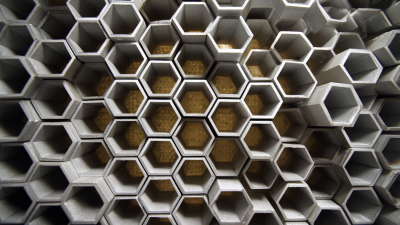
Looking ahead to 2026, the price of honeycomb panels is likely to be influenced by a bunch of different market factors. Things like the cost of raw materials and new tech breakthroughs definitely come into play. Companies such as Alucobond and CoreLite are always trying to stay ahead of the curve—innovating while keeping their expenses in check, you know?
Demand from consumers will also shape how prices move. Industries like construction and aerospace are really into lightweight materials these days, which makes honeycomb panels pretty versatile and full of potential. But, of course, price swings are still a thing to watch out for.
Striking that perfect balance between affordability and quality is more important than ever. Companies will probably need to reevaluate their strategies from time to time because, even with all the technological progress, market conditions are still pretty unpredictable. Trying to predict the future prices of Pp Honeycomb Panel is honestly a bit of a challenge—it’s not set in stone.

Market Trends Influencing Honeycomb Panel Prices in 2026
In 2026, honeycomb panel prices will greatly fluctuate due to several market trends. Renewable energy initiatives drive demand for lightweight materials. This shift is vital for improving efficiency in various sectors. The construction industry will increasingly turn to honeycomb panels for their strength and insulation properties. However, rising raw material costs might counterbalance these trends.
Consumer preferences are evolving, too. Eco-friendly products are at the forefront. Buyers are more aware of sustainability, influencing manufacturers' decisions. Some companies might struggle to adapt to these changing preferences. Therefore, they may face challenges while keeping prices competitive.
Technological advancements will also impact pricing strategies. Improved production methods promise cost reductions. However, small manufacturers may lag behind. They've not yet invested in innovative technologies. This gap could widen, affecting market dynamics. As a result, honeycomb panel prices will likely reflect these complexities.
Projected Cost Breakdown of Honeycomb Panels by Material Type
In 2026, the projected costs of honeycomb panels will vary significantly based on material type. For instance, Plastic Honeycomb Panels are expected to remain a cost-effective option. These panels provide excellent lightweight properties and insulation, appealing to budget-conscious buyers.
Metal honeycomb panels, however, may see a rise in price. The demand for durability and strength will push up production costs. This could make them less accessible for some projects. Additionally, eco-friendly materials are gaining traction. These panels might come with a higher price tag but offer sustainable benefits in the long run.
It's intriguing to note the fluctuating market trends. Innovations in production methods could impact prices unexpectedly. Raw material availability will also play a critical role in cost dynamics. Buyers should anticipate variations and be prepared for potential adjustments in their budgets. Understanding these factors will be vital for making informed decisions in 2026.
Impact of Supply Chain Dynamics on Honeycomb Panel Pricing
The pricing of Honeycomb Sandwich Panels in 2026 will significantly be influenced by supply chain dynamics. Recent industry reports indicate that disruptions during the pandemic caused material shortages, pushing prices up by over 15% last year. Current projections suggest that if supply chain issues persist, we might see similar trends in the coming years.
Logistics costs have skyrocketed. Fuel prices and labor shortages have both contributed to this increase. A recent analysis revealed that transportation costs alone account for around 25% of the total price of honeycomb panels. This rising expense affects every stage of production, from raw material sourcing to delivery.
Competition remains tight, and manufacturers must navigate these challenges effectively. Some companies are exploring alternative materials to cushion their prices. However, not all have the resources to pivot quickly. The overall market response will dictate how accessibly honeycomb panels remain for construction and manufacturing sectors. Managing these fluctuations is crucial as we move towards 2026. Each step taken now will echo loudly in future pricing strategies.
Comparative Analysis of Honeycomb Panel Prices Across Different Regions
In 2026, honeycomb panel prices will vary significantly across different regions. Factors influencing these prices include material costs, manufacturing processes, and local demand. For instance, a recent industry report shows that North American prices may reach $45 per square meter, driven by increased construction activities. Meanwhile, Europe may see prices around $40 per square meter due to stricter regulations and high production standards.
In Asia, particularly in China, prices are expected to be much lower, averaging $30 per square meter. This discrepancy often results from lower labor costs and raw material availability. However, reduced quality control may raise concerns about sustainability in the long run. Regions with advanced technologies, like Japan, could experience prices around $35 per square meter, as they focus more on innovation.
Economic fluctuations will also impact pricing. For example, rising energy costs may lead to increased production expenses globally. Additionally, the ongoing supply chain issues could create delays or even shortages, affecting availability. Understanding these regional differences is essential for businesses aiming to source honeycomb panels efficiently.
Technological Innovations Affecting Honeycomb Panel Manufacturing Costs
The price of honeycomb panels in 2026 will be heavily influenced by technological innovations.
Manufacturing processes are advancing rapidly. Automation and smart manufacturing techniques are enabling cost reductions.
Industry reports indicate that production costs could decrease by as much as 20% by 2026.
Material science is also shifting. The introduction of sustainable materials might increase initial costs.
Yet, this can lead to long-term savings. Fiber-reinforced composites are gaining traction.
These materials promise increased strength and reduced weight, impacting overall performance and cost-efficiency.
However, there is a learning curve. Companies may face challenges integrating new technologies.
Training and adaptation costs should not be underestimated. Additionally, existing infrastructure may require upgrades to harness these advancements fully.
As the market evolves, manufacturers will need to remain flexible and responsive to maintain competitiveness.
Demand Forecast for Honeycomb Panels in Key Industries by 2026
The demand for honeycomb panels is expected to rise significantly by 2026. Industries such as construction, aerospace, and automotive are forecasted to drive this growth. A recent market report indicates a projected increase in demand by at least 15% annually. This growth is primarily due to the lightweight properties and durability offered by materials like Pp Honeycomb Sandwich Panel.
In construction, architects are increasingly seeking innovative materials. Honeycomb panels are favored for their energy efficiency and easy installation. The aerospace sector is also focusing on reducing weight to improve fuel efficiency. Studies show that using honeycomb panels can reduce aircraft weight by up to 30%. Yet, despite these benefits, there are concerns about the environmental impact of manufacturing processes.
Additionally, the automotive industry is shifting towards lighter vehicles. Honeycomb panels offer an effective solution for car manufacturers aiming to meet stricter regulations on emissions. However, challenges remain in scaling production. The effectiveness of high-performance panels is often hampered by costs. Balancing quality and price will be crucial to meeting projected demand. As we approach 2026, industries must reflect on these challenges to optimize the use of honeycomb panel technology.
Regulatory Factors Impacting Honeycomb Panel Pricing Strategies
The pricing strategies for honeycomb panels are greatly influenced by regulatory factors. Industry reports indicate that environmental regulations will tighten by 2026. These regulations may impose stricter limits on emissions during production. Adapting to these standards could drive up production costs, impacting final prices.
Additionally, trade policies play a crucial role. Emerging tariffs on raw materials can raise costs for manufacturers. Industry analysts suggest that companies may need to revise their pricing models accordingly. This is especially true for Automotive Pp Honeycomb Panel production, which relies heavily on imported materials. Rising costs could force manufacturers to pass these expenses to consumers.
Market data shows a fluctuating demand for honeycomb panels. On one hand, the construction and automotive sectors are expanding. On the other, producers face supply chain challenges. This complex landscape makes pricing strategies uncertain. Companies may need to rethink their approaches as they navigate these regulatory hurdles. It’s a delicate balance between compliance and profitability.
Honeycomb Panels Pricing Analysis - 2026
| Region |
Average Price per Square Meter (USD) |
Regulatory Factors |
Market Demand |
| North America |
$85 |
Environmental regulations, safety standards |
High |
| Europe |
$90 |
EU regulations, recycling requirements |
Moderate |
| Asia-Pacific |
$75 |
Building codes, labor regulations |
High |
| Latin America |
$70 |
Government policies, trade agreements |
Low |
| Middle East & Africa |
$80 |
Import regulations, product standards |
Moderate |
FAQS
: A balanced diet provides essential nutrients. It boosts energy levels and supports mental health. Eating well can improve overall wellness.
Aim for at least 150 minutes of moderate exercise weekly. Short workouts can count, too. Consistency is more important than duration.
Staying hydrated helps maintain bodily functions. It aids digestion and keeps your skin healthy. Dehydration can lead to fatigue and confusion.
Chronic stress can cause various health issues. It may lead to heart problems, sleep disorders, and weakened immunity. Finding coping strategies is essential.
Establish a bedtime routine. Limit screen time before sleep. A quiet, dark environment can significantly enhance sleep quality.
Mental health affects daily functioning and quality of life. It influences physical health too. Prioritizing mental wellbeing can reduce life's challenges.
Conclusion
The article titled "What is the Price of Honeycomb Panels in 2026?" explores various factors that are expected to influence honeycomb panel prices in the coming years. It discusses market trends that will shape pricing dynamics, including the projected cost breakdown by material type, which highlights the significant variance in prices depending on the materials used. Supply chain dynamics are also examined, as fluctuations in availability and logistics can directly impact the honeycomb panel price.
Furthermore, the article includes a comparative analysis of honeycomb panel prices across different regions, providing insights into geographic discrepancies. It also highlights the potential influence of technological innovations on manufacturing costs, alongside a demand forecast for key industries that will rely on honeycomb panels by 2026. Lastly, regulatory factors are addressed, emphasizing their role in shaping pricing strategies within the market. Overall, understanding these components is crucial for anticipating changes in honeycomb panel price in the near future.