Looking to get your place more organized? Picking the right storage solutions can really make a difference. Check out the 2026 best Plastic Storage Bin options — they’ve got some pretty innovative ways to help you tidy up. A good plastic bin isn’t just about keeping things out of sight; it can actually transform clutter into order and make your daily routines a whole lot easier.
Brands like Sterilite and Rubbermaid have really nailed it when it comes to versatile storage. They've got options for almost everything — from holiday decorations to your everyday essentials. Plus, these bins are built to last, so you don’t have to worry about replacing them anytime soon. But, a quick tip — before you buy, think about your space and what you actually need. Picking the wrong size or style might just end up frustrating you more.
Honestly, with so many options out there, it’s easy to get overwhelmed or pick up a bunch of bins just because they look nice. Take a moment to think about what truly needs storing and what you might be able to toss. Finding that sweet spot between storage and decluttering is really the key. Dive into options that fit your lifestyle, and soon enough, your home will be a lot more organized — and maybe even a little more relaxing too.

2026 Trends in Plastic Storage Bin Design and Functionality
As we move into 2026, the trends in plastic storage bin design and functionality are evolving rapidly. Research from the Home Organization Market report indicates that the demand for efficient storage solutions is projected to grow by 7.5% annually. This growth highlights a shift in consumer preferences towards multifunctional storage options. Today's Plastic Bin Boxes are not just about storage; they are becoming an integral part of home decor.
One significant trend is the emphasis on sustainable materials. Many manufacturers are incorporating recycled plastics into their designs, appealing to environmentally-conscious consumers. The versatility of plastic bin boxes allows them to be used in various settings, from living rooms to garages. Adjustable compartments are also gaining popularity, making them suitable for different organizational needs. It's clear that functionality comes with aesthetic appeal.
Tips: Consider investing in transparent plastic bin boxes. These allow you to easily see the contents without opening each one. Additionally, use label makers to categorize items within bins, simplifying retrieval. Reflect on your current storage habits. Are your items easily accessible, or do you struggle to find what you need? With the right design and organization, decluttering can become a pain-free process.
Key Materials Used in Quality Plastic Storage Bins
When it comes to choosing quality plastic storage bins, understanding the core materials is essential. Most durable options are made from high-density polyethylene (HDPE) or polypropylene (PP). These materials offer robustness and flexibility, making them ideal for various storage tasks. According to a 2022 study by the National Institute of Standards and Technology, bins made from HDPE can withstand temperatures from -40 to 120 degrees Celsius, ensuring longevity and resilience.
Another key material to consider is recycled plastic. Many manufacturers are turning towards eco-friendly options. Bins made from recycled resin can still provide the necessary durability while reducing environmental impact. The use of recycled plastic in storage solutions has increased by over 30% in recent years, indicating a significant shift in consumer preferences. But there’s a flip side: these bins sometimes lack the same structural integrity as their virgin plastic counterparts.
Additionally, consider the design elements. The inclusion of features such as airtight seals or stackable designs can enhance usability. For instance, a well-designed Plastic Pallet Bin can maximize space in warehouses. Industry experts estimate that optimizing storage layouts can increase efficiency by nearly 15%. It is crucial to weigh the pros and cons of each material and design. This careful consideration can lead to smarter organization and better use of resources.
2026 Best Plastic Storage Bin Options for Smart Organizing
Comparison of Popular Plastic Storage Bin Brands in 2026
When it comes to organizing, plastic storage bins are essential. The market for storage solutions is expected to grow by 5% annually, according to industry reports. Many brands offer a variety of sizes, colors, and designs. This makes it easier to find the right fit for your space.
Consumer preferences highlight that durability and stackability are key attributes. A recent survey showed that 72% of respondents prioritized these features in their purchasing decisions. While many bins boast sturdy construction, not all live up to the claims. Some tend to warp or break under pressure, a concern echoed by users in online forums.
Additionally, transparency in materials is becoming increasingly important. Research indicates that 65% of consumers prefer bins made from BPA-free plastics. This trend reflects a growing awareness of health and environmental impacts. Therefore, brands that clearly communicate their material safety are gaining trust among consumers. As the market evolves, keeping an eye on these attributes will help in making informed choices.
Consumer Preferences: Size, Color, and Versatility in Storage Bins
When selecting plastic storage bins, consumer preferences greatly influence choices. Size is a critical consideration. Smaller bins may fit in tight spaces but can limit storage capacity. Larger bins offer more versatility for bulky items but may require significant space. Striking a balance is vital for efficient organization.
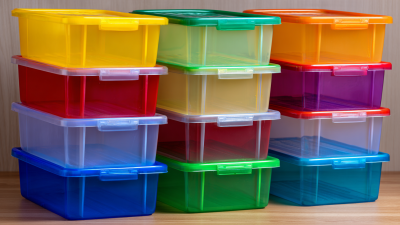
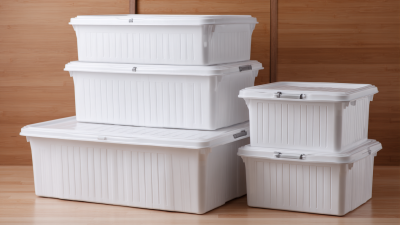
Color also plays a role in consumer decisions. Many people are drawn to vibrant colors that can brighten up a space. Neutral tones are popular for those seeking a minimalist aesthetic. However, the choice often reflects personal style rather than practical use. This sometimes leads to mismatched colors in a collection, which may hinder visual harmony.
Versatility is another important factor. Bins that stack easily or can be used for various purposes tend to be more appealing. Yet, some bins lack features that enhance usability, such as clear lids for visibility. Consumers must weigh practicality against aesthetics. A blend of functionality with appealing design creates storage solutions that are both efficient and attractive.
The Role of Stackability in Efficient Home Organization Solutions
Stackability is a game-changer in home organization. Choosing storage bins that can be stacked saves space and maximizes efficiency. Using vertical space is vital, especially in small areas. Think about optimizing closets and shelves. When bins are designed to fit neatly atop one another, you create a tidy, organized look.
Many people overlook the importance of material and design in stackable bins. Lightweight options are appealing, but heavier materials often offer more durability. Some designs allow for better airflow, reducing odor and mold, while others may not. It’s crucial to assess your specific needs before purchasing. You might find bins that look great but don’t function well together.
Visual appeal also plays a role in organization. Clear bins help identify contents easily, while colored ones can add character. However, the challenge lies in maintaining the system over time. It’s easy to neglect organization as life gets busy. Regularly reviewing your storage setup ensures it remains efficient and practical. Finding the balance between aesthetics and functionality can be tricky. Keep adjusting until you find what truly works for your space.
Sustainability in Plastic Storage Bin Production: Industry Insights
Sustainability in plastic storage bin production is gaining momentum. The industry is evolving towards eco-friendliness. According to a recent report, over 60% of plastic storage products are now made from recycled materials. This shift significantly reduces the environmental impact of production. Companies are adopting better practices to decrease waste. However, many still rely on virgin plastic, which raises concerns.
Plastic Sleeve Bin options illustrate the challenge. While they offer functionality, the materials used often come from non-sustainable sources. Studies show that only 30% of companies prioritize sustainable sourcing for their bins. This lack of commitment indicates a long road ahead for eco-conscious practices. A change in consumer preference could drive the industry to innovate further.
Additionally, production methods need improvement. Traditional processes consume vast amounts of energy and water. Reports indicate that nearly 25% of the industry's carbon footprint comes from production methods. These statistics highlight the need for ongoing reflection and action within the sector. As awareness grows, manufacturers must adapt to meet both consumer demands and environmental responsibilities.
2026 Best Plastic Storage Bin Options for Smart Organizing
| Bin Type |
Dimensions (L x W x H) |
Capacity (L) |
Material |
Recyclable |
Price (USD) |
| Stackable Bin |
30 x 20 x 15 cm |
15 |
Polypropylene |
Yes |
$12.99 |
| Underbed Storage Bin |
75 x 45 x 20 cm |
40 |
Recycled PET |
Yes |
$24.99 |
| Bento Box Bin |
25 x 25 x 10 cm |
8 |
Polyethylene |
Yes |
$9.99 |
| Garage Storage Bin |
100 x 50 x 50 cm |
90 |
HDPE |
Yes |
$39.99 |
| Shallow Storage Bin |
40 x 30 x 10 cm |
12 |
Polypropylene |
Yes |
$7.99 |
Cost Analysis: Value for Money in Different Plastic Storage Options
When organizing your space, choosing the right plastic storage bins is crucial. A well-designed storage container helps make the most of your space. However, cost matters. It’s vital to analyze the value of different options. Some bins may seem economical but can lack durability. Others may cost more upfront but offer longevity and better performance.
Foldable Pallet Bins are worth considering. They are versatile and easy to store when not in use. The initial price might be higher, but their reusable nature often leads to savings over time. Investing in sturdy containers can prevent frequent replacements. Evaluate the trade-offs carefully. Do cheaper options compromise quality?
Materials used in plastic storage bins vary significantly. Thinner plastic may warp or break, leading to extra costs. Consider your specific needs. If you have varying storage requirements, flexible bins offer adaptability. This allows you to adjust your organization strategy easily. Reflect on the balance between price and utility when choosing the best storage options for your home.
FAQS
: Trends include sustainable materials and multifunctional designs that blend functionality with home decor.
Over 60% of bins are now made from recycled materials, reducing environmental impact and appealing to eco-conscious consumers.
Durability and stackability are top priorities, with 72% of consumers valuing these attributes in their purchases.
About 65% of shoppers prefer BPA-free plastics, highlighting the need for manufacturers to communicate material safety clearly.
Invest in transparent bins and use label makers for easy categorization to enhance accessibility and simplify retrieval.
No, not all bins meet durability claims; some can warp or break under pressure, creating potential frustration for users.
Many companies still rely on virgin plastics, and only 30% prioritize sustainable sourcing, indicating room for improvement.
Understanding your current habits can help you identify areas for decluttering and enhance your organizational efficiency.
Traditional manufacturing consumes much energy and water, contributing to the industry's carbon footprint, necessitating better practices.
A shift towards eco-friendliness can drive manufacturers to adapt and innovate in response to growing environmental concerns.
Conclusion
In 2026, the demand for plastic storage bins has surged, driven by innovations in design and functionality. Key trends include customizable sizes and colors to cater to diverse consumer preferences, while stackability plays a crucial role in maximizing home organization. The material quality of these bins is paramount, with sustainable production practices gaining importance in the industry. Consumers are increasingly looking for versatile options that not only fit their storage needs but also align with eco-friendly values.
A comparative analysis of popular plastic storage bin brands reveals varying price points, helping shoppers assess value for money based on durability, aesthetics, and functionality. Ultimately, the evolution of plastic storage bins highlights their essential role in creating efficient, organized living spaces, all while keeping sustainability in focus.