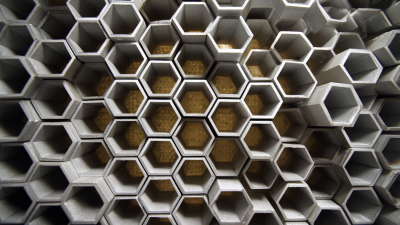
When you're diving into the world of PP Honeycomb Boards, there’s a lot to keep in mind. This lightweight material has really taken off lately, mainly because it's not only sturdy but also eco-friendly. You’ll see plenty of companies, like ABC Manufacturing, making a name for themselves by offering top-notch products.
People are using PP Honeycomb Boards in all sorts of ways — from packaging and construction to signage. That kind of versatility makes it super popular worldwide. But, let’s be honest, navigating this market isn’t always a walk in the park. Not every supplier guarantees the same quality, so it’s really important to do your homework and check out their reputations before buying.
It’s definitely worth sticking with dependable suppliers who are transparent about their products. This way, you’ll have a better shot at getting the best PP Honeycomb Board that fits your needs. Also, knowing what exactly you need and understanding the environmental impact can help you make smarter choices. Sure, there are lots of options out there, but not every product hits the mark. Taking the time to think things through can really help you make informed, confident decisions.

Understanding Pp Honeycomb Board: Definition and Composition
PP honeycomb board is a lightweight and versatile material made from polypropylene. It consists of a core formed by a honeycomb structure, typically sandwiched between two flat sheets of polypropylene. This composition allows the honeycomb board to exhibit remarkable strength while remaining significantly lighter than solid sheets. According to a recent market analysis, the global polycarbonate honeycomb board market is expected to grow at a CAGR of over 5% from 2022 to 2027. This growth is driven by increased applications in packaging and construction industries.
The unique properties of PP honeycomb board make it an ideal choice for various uses. It is moisture-resistant, durable, and offers excellent thermal insulation. An industry report highlighted that these boards can reduce weight by nearly 75% compared to traditional materials. This attribute makes them popular in sectors looking for efficient, cost-effective solutions. However, it is essential to note that while the material is robust, it may lack the impact resistance of more sturdy alternatives. Users must evaluate the specific requirements of their projects carefully.
In terms of sustainability, PP honeycomb boards are recyclable, aligning with the increasing demand for eco-friendly materials. Yet, the recycling process is not always straightforward. Some facilities may not accept this type of plastic, posing a challenge for companies focusing on sustainability. Therefore, understanding the nuances of PP honeycomb board production and recycling is crucial for making informed purchasing decisions.
Key Properties of Pp Honeycomb Boards: Durability and Lightweight Features
PP honeycomb boards are gaining popularity due to their exceptional durability and lightweight features. These boards are engineered using a unique honeycomb structure, which enhances their strength-to-weight ratio. This quality makes them ideal for various applications, from packaging to construction. The durability of PP honeycomb boards stems from their resistance to moisture, chemicals, and temperature fluctuations. These properties ensure they maintain their integrity over time, a significant advantage in industries demanding reliability.
When selecting PP honeycomb boards, consider their intended use. Think about exposure to environmental factors like humidity and chemicals. Different applications may require varying thicknesses and densities. For example, thicker boards provide greater strength, while lighter options are easier to handle. Assess your needs carefully to avoid disappointment later on.
Ensure that you source from reputable manufacturers. Quality assurance is crucial for durability. Doing so minimizes the risk of defects. Regularly check for signs of wear and tear, especially if the boards are in high-traffic environments. Paying attention to maintenance can extend their lifespan significantly.
Applications of Pp Honeycomb Boards in Various Industries
PP honeycomb boards have gained traction across various industries due to their lightweight and strong characteristics. In construction, they are often used as core materials for sandwich panels. These panels provide excellent insulation while reducing the overall weight of structures. This can lead to significant cost savings in transportation and labor.
In the automotive sector, PP honeycomb boards play a role in interior components. Their durability and resistance to moisture make them ideal for parts like door panels and dashboards. Manufacturers appreciate how these boards contribute to fuel efficiency by reducing vehicle weight.
For those considering PP honeycomb boards, using them efficiently is key. Pay attention to the board thickness and density for optimal application. Always assess your specific needs before making decisions. Ensure the supplier offers reliable certifications for quality assurance. When exploring options, consider the long-term performance characteristics like UV stability and fire resistance.
Factors to Consider When Choosing Pp Honeycomb Boards
When selecting PP honeycomb boards, several key factors should be taken into consideration. First, it's essential to evaluate the board's density and thickness. Reports indicate that boards with a density of at least 300 kg/m³ offer better durability and structural integrity. This is particularly important for applications requiring strength and resilience, such as packaging or construction materials.
Another crucial aspect is the board's moisture resistance. Industry data shows that honeycomb boards with high moisture resistance can prolong their lifespan, especially in humid conditions. Testing shows that boards with an ABS finish exhibit better performance in wet environments than untreated alternatives. Color and finish contribute not only to aesthetics but also impact the performance in certain environments.
Additionally, consider the manufacturing process used to produce the boards. Techniques like extrusion result in a more uniform product, enhancing performance under varying conditions. However, not all manufacturers adhere to rigorous quality standards, which can lead to inconsistencies. Practicing due diligence when researching suppliers will help ensure reliability in sourcing PP honeycomb boards. The imperfect nature of available options necessitates thorough evaluation to find the best fit for specific needs.
Top Suppliers and Manufacturers of Pp Honeycomb Boards Globally
When exploring the global market for PP honeycomb boards, understanding the landscape of suppliers and manufacturers is crucial. The global PP honeycomb board market was valued at approximately USD 250 million in 2022 and is projected to grow at a CAGR of 5% through 2030. This growth is driven by the increasing demand for lightweight materials in packaging, construction, and automotive industries.
Key suppliers in this market demonstrate varying levels of expertise. Some manufacturers have been recognized for their innovative approaches to production, utilizing advanced technologies for better efficiency. However, quality consistency can sometimes be an issue. It is essential for buyers to conduct thorough research and seek suppliers with established reputations. Reports indicate that manufacturers based in Asia Pacific hold a significant share, thanks in part to lower production costs and the rapid industrialization in countries like China and India.
Market challenges include fluctuating raw material prices and environmental regulations affecting production methods. Many suppliers are adapting by investing in sustainable practices. Buyers must remain vigilant and ensure their chosen supplier aligns with green standards while maintaining quality. Innovation and compliance will be key factors in selecting the right manufacturer in this ever-evolving industry.
Comparative Analysis of Pp Honeycomb Boards vs. Other Materials
Pp honeycomb boards have gained traction in various industries due to their unique properties. Compared to traditional materials like plywood or MDF, they are significantly lighter and offer superior strength-to-weight ratios. According to a 2022 industry report, pp honeycomb boards weigh up to 70% less than plywood. This feature can directly impact transportation costs and ease of handling.
However, the comparison does not end there. While plywood offers good durability, it is prone to warping under moisture. In contrast, pp honeycomb boards excel in humid environments, as they are resistant to water damage. A study indicated they maintain their structural integrity better than MDF when exposed to high humidity levels. Still, some may argue that they lack the aesthetic appeal of natural wood materials, limiting their use in design-focused applications.
User feedback also reveals mixed feelings. Some users appreciate their robustness and lightweight nature. Others worry about their long-term durability compared to traditional options. While pp honeycomb boards show promise, buyers should weigh these considerations before making a decision. Understanding the trade-offs is crucial for selecting the right material for specific applications.
Best Pp Honeycomb Board for Global Buyers - Comparative Analysis
| Material Type |
Weight (kg/m²) |
Impact Resistance (J) |
Thermal Insulation (R-value) |
Cost per m² ($) |
| PP Honeycomb Board |
2.5 |
15 |
5 |
10 |
| Plywood |
8.0 |
30 |
1.5 |
15 |
| Aluminum Composite Panel |
4.0 |
25 |
2.0 |
20 |
| Gypsum Board |
6.5 |
10 |
0.5 |
8 |
| Fiberboard |
5.0 |
12 |
2.5 |
12 |
Sustainability and Environmental Impact of Pp Honeycomb Boards
PP honeycomb boards have gained attention for their sustainable and environmentally friendly properties. Made from polypropylene, these boards are lightweight and durable. A specialized report indicates that using PP as a raw material can reduce carbon emissions by up to 70% compared to traditional materials. This reduction is vital for companies seeking eco-friendly solutions.
The production of PP honeycomb boards also generates less waste. Research suggests that for every ton of PP produced, around 1.5 tons of CO2 emissions are offset during its lifecycle. This aspect positions these boards as a responsible choice for global buyers who prioritize sustainability. However, the recycling process for PP remains a challenge, with a significant portion still ending up in landfills.
When selecting PP honeycomb boards, consider the supplier's environmental certifications. Reputable manufacturers often comply with ISO standards, ensuring adherence to sustainable practices. Look out for their recycling programs. Consumers should also weigh the board's performance against its environmental impact. While the benefits are promising, continuous improvements in recycling and material efficiency remain essential.
FAQS
: They are used in construction, automotive, and packaging industries. Their lightweight and strong features are crucial.
They serve as core materials for sandwich panels, offering insulation and reducing structure weight. This lowers transportation costs.
They are used in door panels and dashboards. Their moisture resistance helps improve fuel efficiency by reducing vehicle weight.
Assess board thickness and density carefully. Consider specific needs and ensure quality certifications from suppliers.
The market was valued at around USD 250 million in 2022. It is expected to grow at 5% annually until 2030.
Fluctuating raw material prices and strict environmental regulations can impact production methods and costs.
Conduct thorough research. Look for suppliers with established reputations and proven quality consistency.
Many suppliers are investing in sustainable practices. It's important for buyers to align with green standards and quality.
Quality consistency may vary among manufacturers. It’s essential to evaluate each option carefully before purchase.
Consider characteristics like UV stability and fire resistance. These factors can significantly affect longevity and safety.
Conclusion
The article "Best Pp Honeycomb Board for Global Buyers What to Know?" provides an in-depth exploration of Pp Honeycomb Board, starting with its definition and composition, highlighting its unique structure that contributes to its lightweight and durable properties. These boards are extensively utilized across various industries due to their versatility and performance, making them an attractive option for different applications.
Additionally, the article discusses the key factors to consider when selecting Pp Honeycomb Boards, including thickness, size, and core material, helping buyers make informed decisions. A comparative analysis with other materials showcases the advantages of Pp Honeycomb Boards, particularly in terms of sustainability and environmental impact, emphasizing their eco-friendly characteristics. Overall, this comprehensive guide serves as a valuable resource for global buyers interested in integrating Pp Honeycomb Boards into their projects.