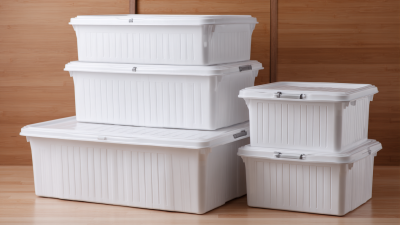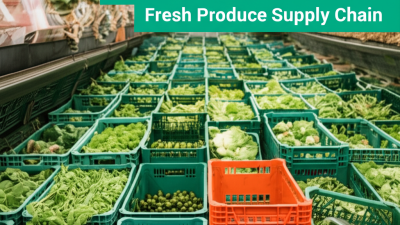
You know, in the fast-changing world of manufacturing, staying ahead really boils down to using advanced materials that boost efficiency. Lately, Pp Cellular Sheet tech has totally reshaped how companies think about packaging and building sturdy structures. I read somewhere that the worldwide rush for lightweight but tough materials is actually growing by over 5% each year—mainly because everyone’s aiming for sustainability and cutting costs. Companies like Jiangyin Lonovae Technology are leading the charge with cool solutions like collapsible pallet containers, bulk bins, and crates, all thanks to the unique qualities of Pp Cellular Sheet. By using these adaptable materials, manufacturers aren’t just making their processes smoother—they’re also doing their part for the environment, which ends up saving a lot of money and reducing their carbon footprint in the long run.
Lately, it feels like the manufacturing world is really starting to embrace PP cellular sheet tech. We're seeing these materials being used more and more because they help boost production speed and make everything run more smoothly. What’s cool about them is how lightweight they are, plus they do a great job insulating heat and handling impacts — perfect for industries like automotive, aerospace, and packaging, to name a few. Market trends actually show a big jump in demand for these sheets worldwide, kind of like how related sectors have been growing rapidly.
By incorporating PP cellular sheets into their processes, manufacturers can make things more efficient — cutting down on waste and speeding up production. Some industry reports even say that companies switching to these materials could see productivity go up by as much as 30% by 2025. That’s pretty significant. As more businesses focus on being sustainable and efficient, adopting this tech feels like a smart move — especially since it’s tied into bigger trends like renewable energy.
For example, the market for renewable energy is expected to grow from around $101 million in 2025 all the way to a staggering $1.26 billion by 2032. So, all in all, it’s clear that innovations in materials like PP cellular sheets are really shaping the future of manufacturing and beyond.
Hey there! You know, PP cellular sheets are really shaking things up in the manufacturing world. They’re lightweight but tough — a solid alternative to those old-school materials. When you do the math on the costs and benefits, it’s pretty clear they come out ahead. For example, a report from Smithers Pira mentions that switching to PP cellular tech can cut down material waste by up to 30%. That’s a big savings over time, for sure. Plus, it uses about 20% less energy during production, which is pretty awesome if you’re into green stuff and sustainability goals.
If you're thinking about making the switch, here are a few tips to keep in mind:
By understanding these tips and giving them a try, manufacturers can really unlock the full potential of PP cellular sheets. It’s all about working smarter, improving efficiency, and boosting profitability—that’s the name of the game!
In today's super competitive manufacturing world, blending automation with PP cellular sheet tech can really boost efficiency. Take Jiangyin Lonovae Technology Co., Ltd., for example—they’re all about innovative stuff like collapsible pallet pack containers and PP honeycomb panels that make things run smoother. By automating the use of these lightweight yet tough materials, manufacturers can cut down on downtime and get more done in less time. Industry reports even show that automating packaging can slash labor costs by around 30% and boost throughput by about 20%. Pretty impressive, right?
Here's a handy tip: adding sensors and smart tech into your packaging line can seriously maximize efficiency. Using automation tools to keep an eye on everything in real-time, and making quick adjustments, helps cut waste and make better use of resources. Plus, when you incorporate PP cellular sheets into this system, not only do you get better load stability, but you also save space because of their collapsible design — pretty smart, huh?
And don't forget about your team! Training employees well on how to operate and troubleshoot these automated systems makes a big difference. When staff are confident and skilled, everything runs more smoothly, and productivity gets a real boost. Combining good training with clever use of materials like collapsible containers really puts manufacturers in a strong position to lead the pack in both efficiency and sustainability.
Hey, you know, as manufacturing keeps evolving, the materials we choose really make a huge difference in how efficient everything is and the quality of the final product. Lately, I've noticed that polypropylene (PP) cellular sheets are gaining popularity—they're sort of a strong alternative to the usual plywood or solid plastics we've been using for ages. I came across a study that highlights some pretty cool benefits of PP cellular sheets, especially when we need lightweight stuff where strength and weight are both super important. Unlike the traditional options, these sheets are built to last longer and be strong without being heavy, which means saving money on shipping and making things easier to handle on the factory floor.
Plus, one of the best parts? These sheets are insanely versatile. Traditional materials often need a lot of tweaking or can be kinda limited by what they’re made of, but PP cellular sheets can be molded and adapted pretty easily to meet different manufacturing needs. That really helps speed up production and also cuts down on waste, since you’re not throwing out as much material. And, if you’re all about being eco-friendly (who isn’t these days), you'll be happy to hear that PP sheets are recyclable. They fit right into sustainable manufacturing practices, which is a big plus. Overall, jumping on the PP cellular bandwagon makes a lot of sense if you're looking to make your operations more efficient and environmentally conscious—definitely worth considering!
In today's super competitive manufacturing world, using real-time monitoring with smart PP cellular sheets can really give your operations a boost. These techy solutions let you keep an eye on the production line at all times, so if anything goes off-track or slows down, you catch it early on. By plugging in sensors and IoT devices, managers can get a clear picture of how machines are performing, how much material is being used, and how the whole workflow is shaping up. That kind of instant info helps in making quick decisions that actually improve productivity.
To really get the most out of this tech, it’s a good idea to set up a central dashboard that pulls data from all over the place. Not only does this give you a big-picture view of what's happening, but it also helps with predicting maintenance needs—saving you from costly downtimes. And don’t forget, regular training sessions for your team on how to use these smart systems can make a huge difference. It keeps everyone on the same page and encourages a mindset of catching issues early instead of reacting too late.
Plus, leveraging data analytics tools to sift through all that info can reveal hidden patterns and spots where things slow down or resources are wasted. When you’re able to identify these bottlenecks and inefficiencies, you can fine-tune your processes. All in all, bringing smart PP cellular sheet tech into your manufacturing setup isn't just about keeping up—it’s about making continuous, sustainable improvements that really stick.
In today's super competitive manufacturing world, going green and sticking to sustainable practices is more important than ever. One cool new thing many companies are trying out is using PP cellular sheets. These materials do a great job at cutting down waste and making the whole production process more efficient. Honestly, they’re helping shape a greener, more responsible manufacturing scene. Because these sheets are lightweight yet tough, manufacturers can save a ton on energy—think less fuel used during transport and handling, which is a win-win for the planet and business alike.
On top of that, PP cellular sheets are fantastic at insulating and protecting products. That means fewer damages, less money spent fixing broken items, and fewer headaches. Plus, they’re super versatile—perfect for all sorts of uses from packaging up products to building structural parts—while still being eco-friendly. More and more companies are feeling the pressure to meet environmental rules and satisfy customers who really care about sustainability. So, jumping on the PP cellular sheet bandwagon isn’t just a good idea, it’s a smart move. Embracing these kinds of efficient, environmentally friendly practices not only helps boost productivity but also paints your brand as responsible and socially conscious—something consumers are definitely noticing these days.
: PP cellular sheets are lightweight and durable materials that offer significant advantages for manufacturing, including a reduction in material wastage by up to 30% and a 20% decrease in production energy requirements.
Manufacturers should evaluate how PP cellular sheets will integrate with existing equipment and workflows to minimize disruptions and ensure a smoother transition.
Training should focus on the properties and handling techniques of PP cellular sheets to enhance productivity and improve safety measures for the workforce.
By establishing key performance indicators (KPIs), manufacturers can track the efficiency and performance of PP cellular sheets, guiding further optimizations and cost reductions.
Real-time monitoring allows manufacturers to continuously track production processes, quickly address any inefficiencies, and make informed decisions to boost productivity through the use of sensors and IoT devices.
A centralized dashboard aggregates data from various sources, providing a holistic view of the manufacturing process, aiding in predictive maintenance, reducing downtime, and improving overall operational efficiency.
Data analytics tools can analyze collected data to identify patterns, revealing bottlenecks and areas of resource wastage in order to refine manufacturing processes for improved efficiency.
Regular training sessions on the use of smart systems should be conducted to optimize their effectiveness, encouraging a proactive approach to problem-solving in the workplace.
In today’s fast-changing world of manufacturing, taking advantage of Pp Cellular Sheet technologies really opens up some exciting opportunities to boost how efficiently things get done. By using these innovative materials, manufacturers can crank up their production speeds, all while keeping the weight and costs down. When you dig into the numbers, it’s pretty clear that Pp Cellular Sheets not only help save on material costs but also make operations run smoother overall.
And here’s another thing—combine automation with Pp Cellular Sheets, and suddenly, your processes become way more streamlined. There’s even research showing that these sheets outperform traditional materials, especially in terms of strength and adaptability. Plus, with real-time monitoring tools, manufacturers can fine-tune their efforts to get the most out of their production lines. On top of that, these innovations support more sustainable practices, making the whole process more eco-friendly.
At Jiangyin Lonovae Technology Co., Ltd., we’re proud to showcase our range of collapsible containers and panels, which really demonstrate how far these technologies have come. They’re helping us lead the way in modern manufacturing solutions—and we’re excited to see where this is headed next.